

“PARDO É PAPEL”
Alexis Zelensky
2026, 92′
Maxwell Alexandre nasceu e cresceu em uma das maiores favelas do Brasil. Aos 28 anos, ele estoura no mercado da arte contemporânea e suas obras são vendidas por preços exorbitantes. Seu sucesso esconde uma ferida dolorosa e revela um sistema estruturalmente racista.
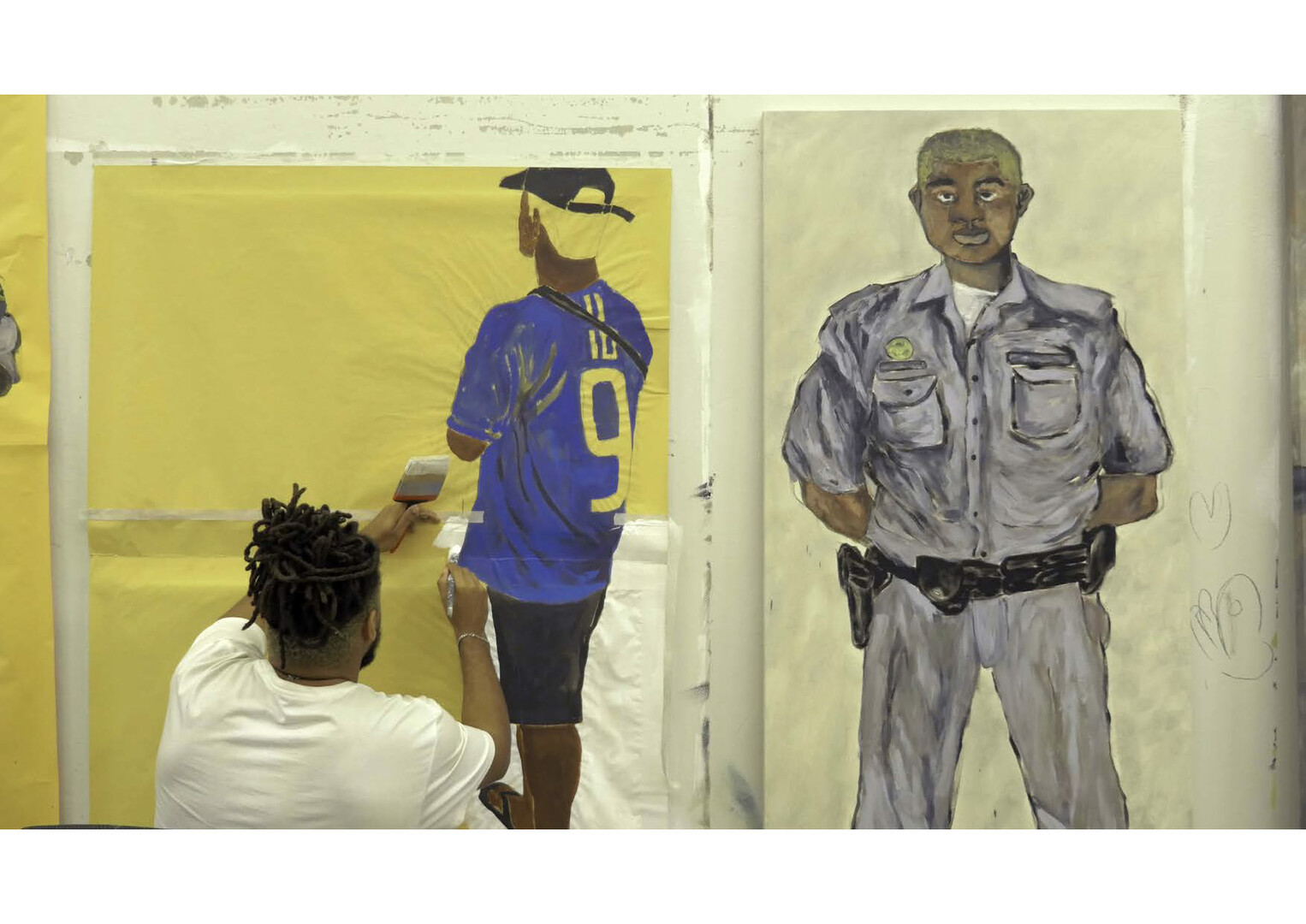
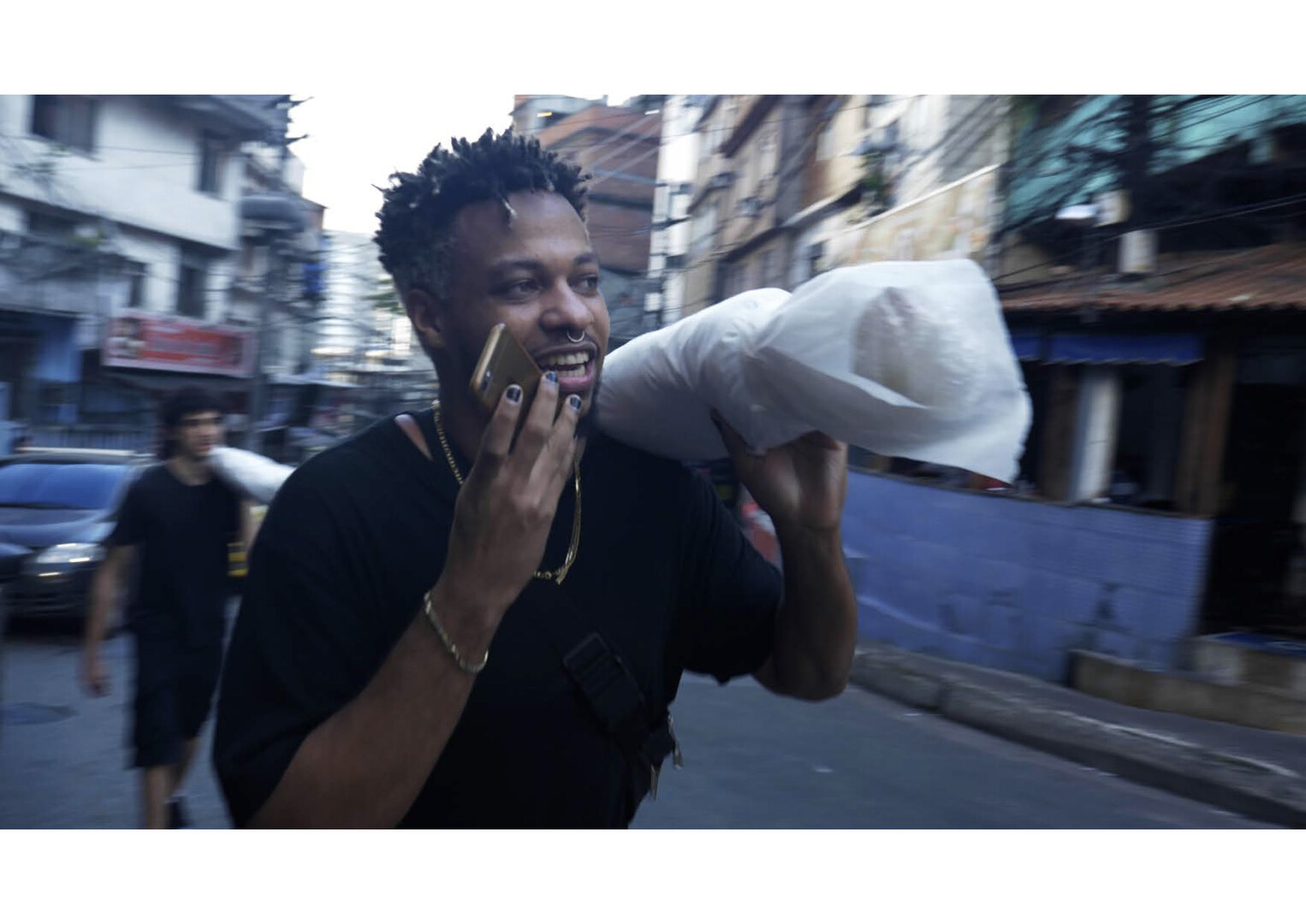
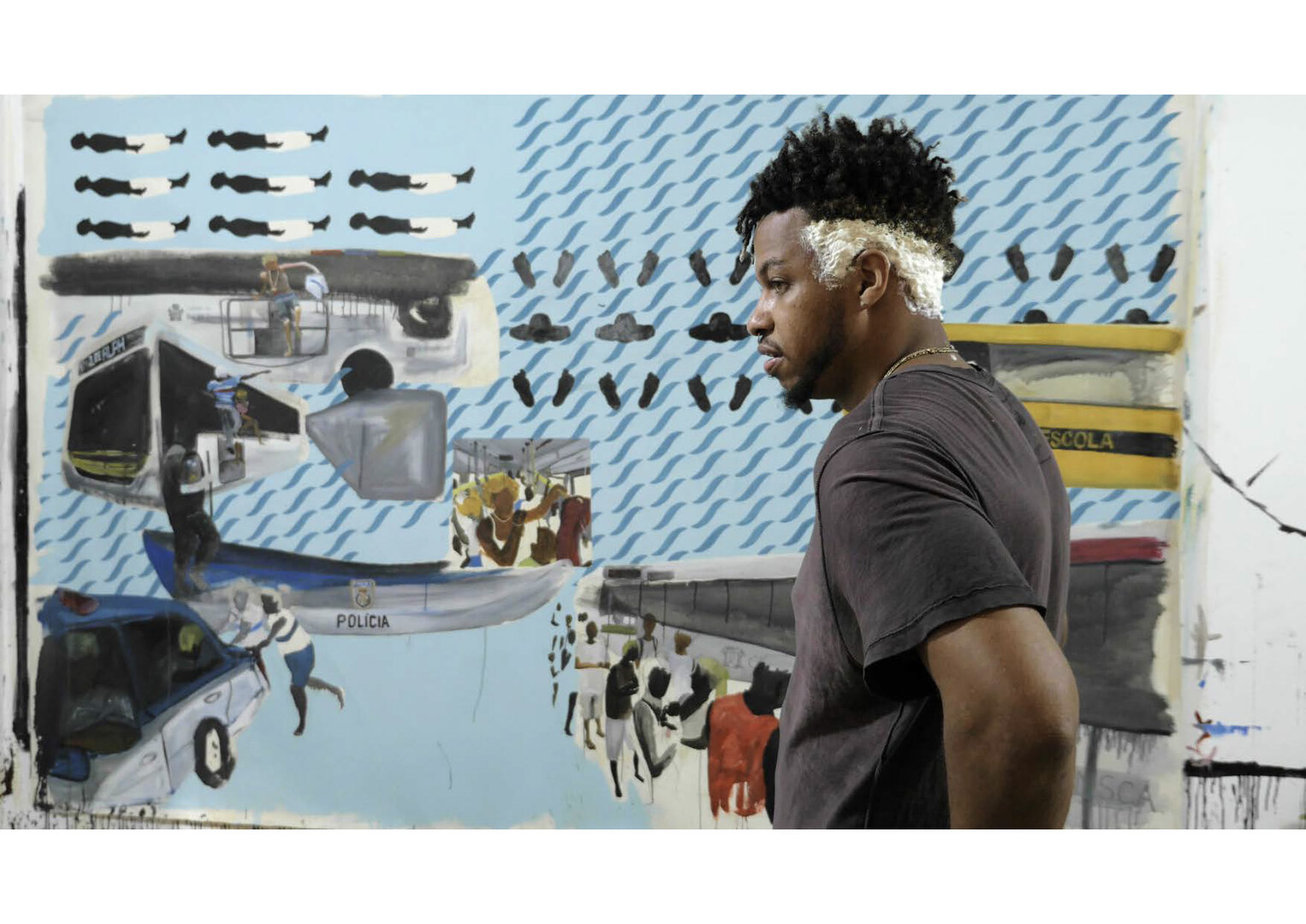
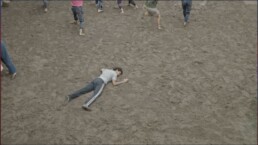
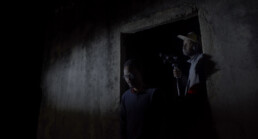
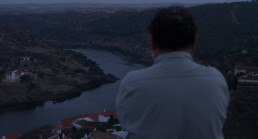
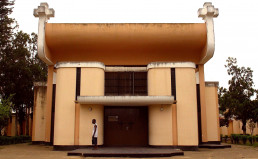
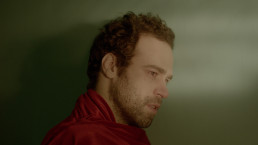
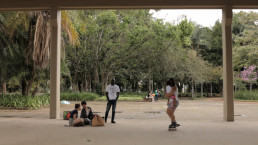
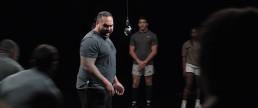
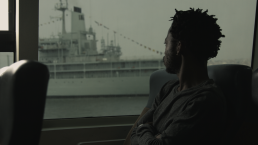
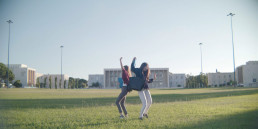
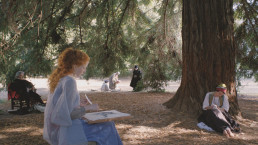
Os filmes constroem-se de muitas maneiras e Pardo é Papel não é excepção. O seu autor, cineasta francês formado em matemática e com estudos de ciência política no Chile, foi aqui que começou a sua aventura no cinema. E talvez por isso, o seu território de trabalho esteja fora da elite do cinema, mas próximo do autor. Daquele que trabalha diariamente e do seu movimento faz arte, mesmo quando o barulho inerente às suas origens parece impedir uma entrada num museu. O artista Maxwell Alexandre nasceu e cresceu numa das maiores favelas do Rio de Janeiro, a Rocinha. E com isso, o seu destino parecia traçado, quando muito à arte de rua. O filme mostra o processo do trabalho absolutamente incessante do artista – ele nunca para de trabalhar – e, ao mesmo tempo acompanhamos a preparação de uma exposição em Paris, no Palais de Tokyo, talvez um dos lugares mais elitistas do mundo da arte contemporânea. Qual é o lugar do artista e qual é o lugar da obra questiona o próprio artista e o seu realizador? Este é um retrato cheio de dúvidas, de questionamentos, e até de contradições. Porque se o mundo da arte é estruturalmente racista, o facto do artista se incorporar e ter lugar nele, coloca-o no lugar do impostor. E as suas obras em papel pardo falam disso mesmo: os seus protagonistas não são os visitantes do museu, são os que lá trabalham, sobretudo nos trabalhos mais precários. Como se mantém a coerência do discurso fazendo parte desse sistema? Daí que este filme não se coloque no lugar do emaravilhamento, mas da consciência social, dos sistemas de poder, da representação e das hierarquias raciais. (Miguel Valverde)
Créditos
Fotografia: Alexis Zelensky Argumento e Diálogos: Alexis Zelensky
Atores: Maxwell Alexandre
Música: Bernardo Gebara, Djonga, BK’, Coyote, Ei Lif Beatz, JXNV$
Guião: Alexis Zelensky
Diretor de Som: Bernardo Gebara
Montagem: Quentin Delaroche, Alexis Zelensky Produtores: Baptiste Lacroix, Jérémie Reichenbach, Luana Vieira Gonçalves, António Câmara Manuel
Coprodução: Quilombo Films, AZ Produção
Produção: DuplaCena
“ONLY PAPER IS BROWN”
Alexis Zelensky
2026, 92’
Credits
Photography: Alexis Zelensky
Screenplay and Dialogue: Alexis Zelensky
Actors: Maxwell Alexandre
Music: Bernardo Gebara, Djonga, BK’, Coyote, Ei Lif Beatz, JXNV$
Screenplay: Alexis Zelensky
Sound Director: Bernardo Gebara
Editing: Quentin Delaroche, Alexis Zelensky Producers: Baptiste Lacroix, Jérémie Reichenbach, Luana Vieira Gonçalves, António Câmara Manuel
Co-production: Quilombo Films, AZ Produção
Production: DuplaCena

Last Updated on Maio 13, 2026 by duplacena