

FUSO 2026 – 25 a 29 de Agosto
27 Agosto, 22h00
Museu da Polícia
MUNDOS PARTILHADOS
Pascale Cassagnau
«Contra todos os importadores de consciência enlatada. A existência palpável da vida.» Oswald de Andrade, Manifesto Antropófago, 1928
Muitas obras, muitos filmes, muitos textos inventam formas que problematizam figuras da emancipação, colocando em perspetiva atos de transmissão, de educação, de tradução e de saberes partilhados, ao inscrever um ciclo contínuo de leitores, espectadores e sujeitos que se vão emancipando mutuamente. Vistas, ouvidas, lidas, experienciadas, tais obras inventam maneiras de fazer e de dizer mundos partilhados, em comum. De corporizar mundos.
(Pascale Cassagnau)
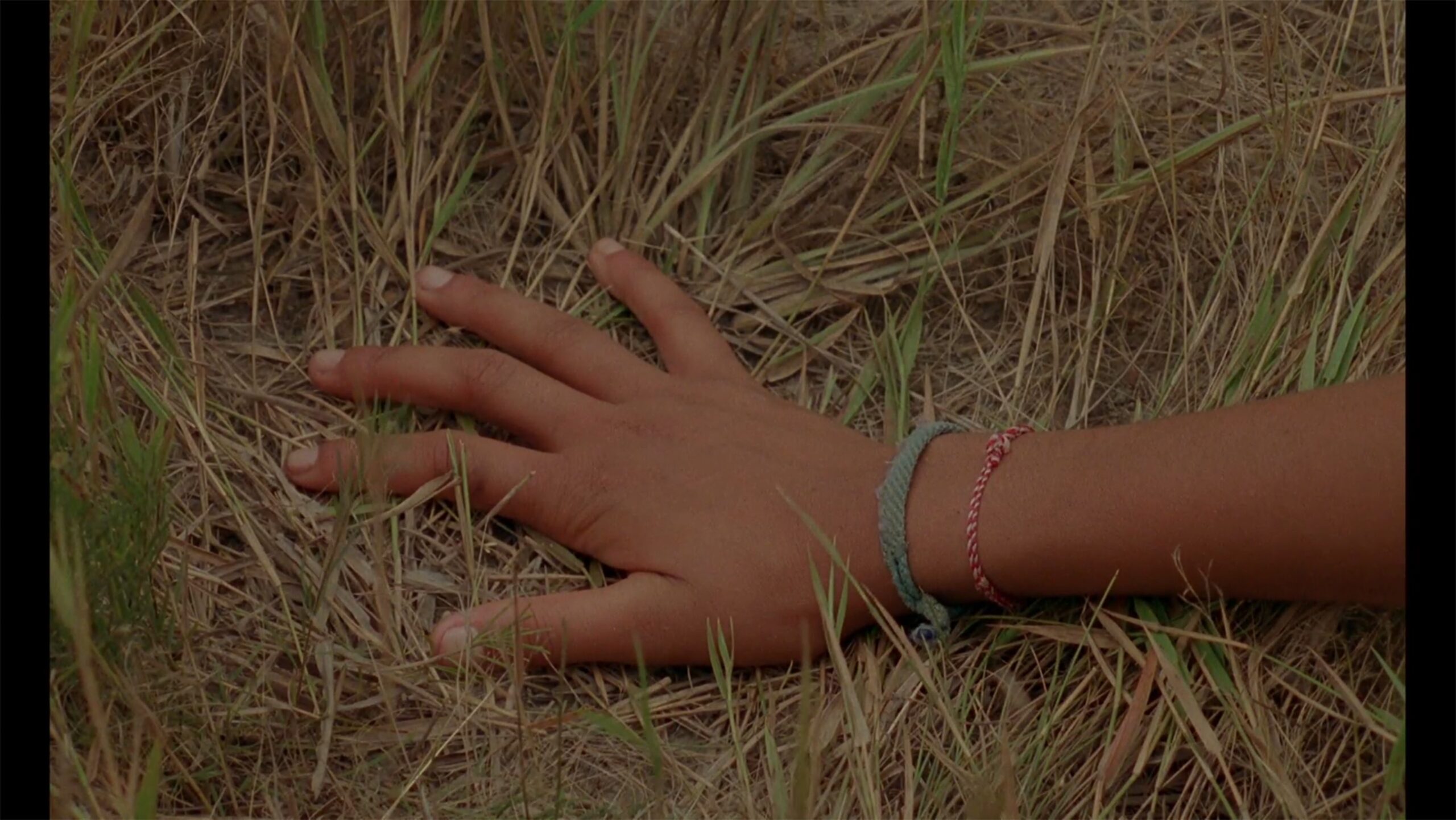
Há Terra! – Ana Vaz
Os diálogos entre presente e passado, o lugar do arquivo na construção da narrativa e as descontinuidades do tempo histórico constituem alguns dos eixos centrais do cinema de Ana Vaz. A sua obra «expõe» literalmente um movimento em direção a uma alteridade reconquistada, ao mesmo tempo que coloca em perspetiva as questões do nosso tempo através da tensão entre diferentes territórios e do diálogo entre arquivos e testemunhos — mantidos sem resolução ou ambição de totalização.
Em Há Terra!, este movimento constrói-se por meio de hibridizações de referências, circularidades e repetições de segmentos. A fluidez das sequências e da montagem transforma o filme numa verdadeira máquina cinematográfica, dando forma a um ensaio fílmico que se desdobra como investigação.
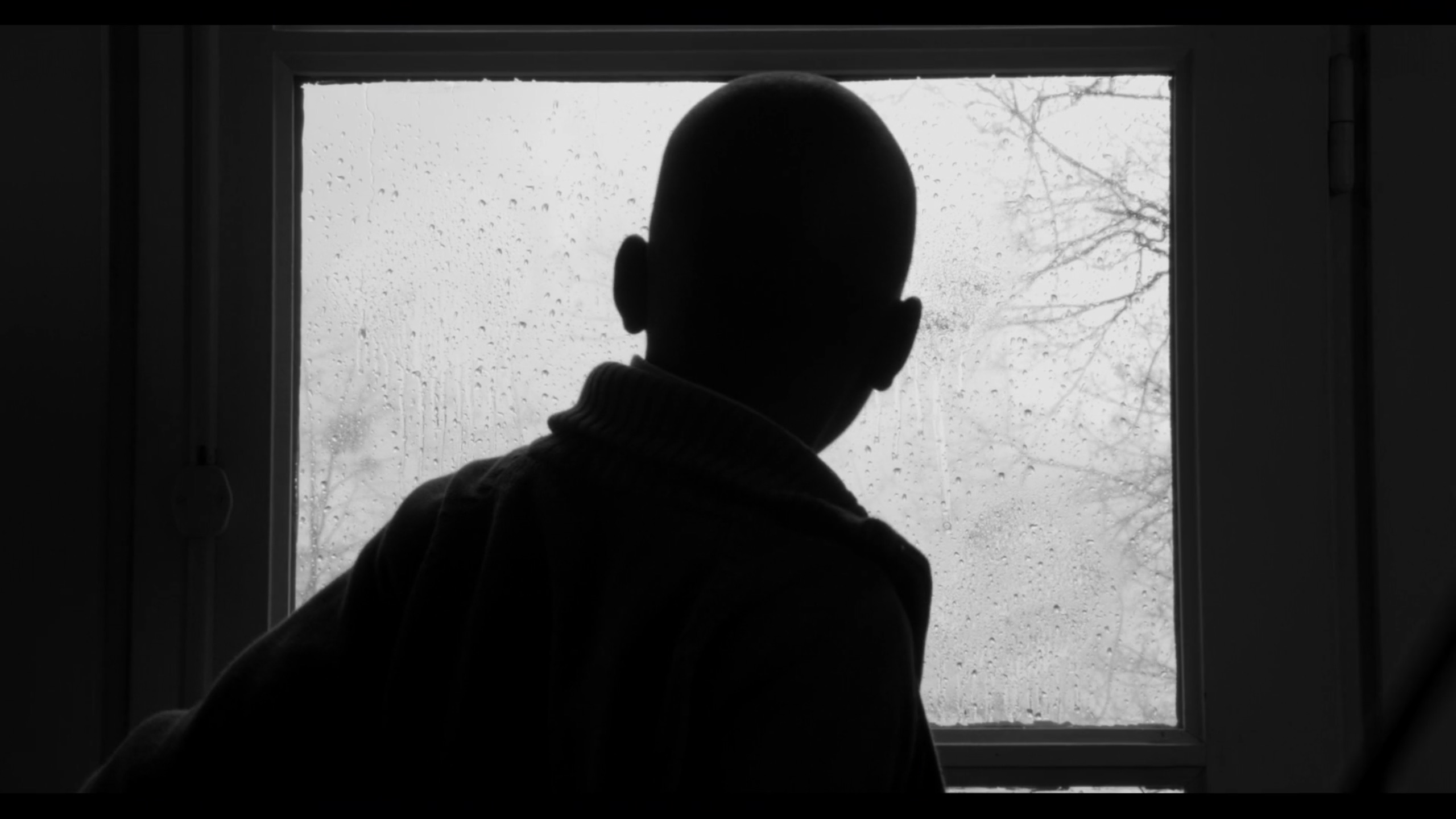
La Tempête – Dania Reymond
O filme da realizadora franco-argelina Dania Reymond encena a reconstituição de uma primeira sessão de cinema, na sala de aula de uma escola de aldeia. As crianças — aprendizes de técnicos de projeção — trabalham na cobertura das janelas para escurecer o espaço e preparar a projeção. O filme que surge então no ecrã provisório representa a chegada de um camião-cinema a uma zona rural argelina, nos anos 60, durante o período colonial.
O cinema é aqui evocado literalmente como uma tempestade de sons, imagens, afetos e ideologias que invade os espectadores atónitos.
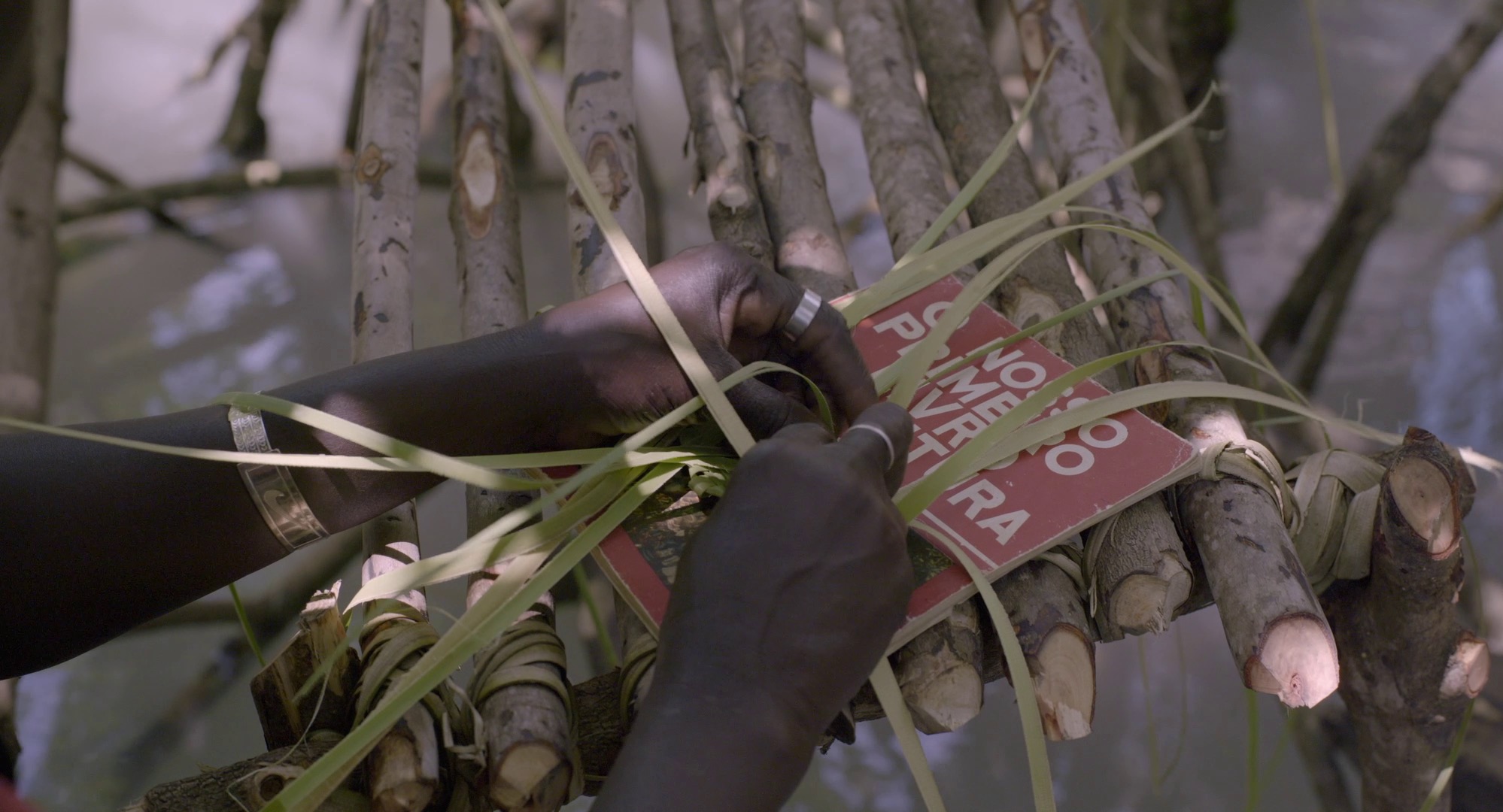
Mangrove School – Filipa César e Sonia Vaz Borges
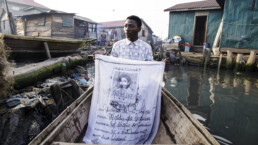
Com o projeto Mangrove School, Filipa César prossegue uma investigação que cruza o olhar documental com uma perspetiva subjetiva, centrando-se aqui nas relações entre história, memória, imagem e narrativa, a partir da questão da educação enquanto forma de emancipação. Sobre este novo filme-ensaio, escreve: «Regressámos à Guiné-Bissau para investigar, desta vez, as condições dos estudantes nas escolas da guerrilha, no coração dos mangais. Rapidamente nos tornámos nós próprias aprendizes, e a primeira lição foi saber como caminhar. Se caminharmos em linha reta, pousando primeiro os calcanhares no chão, escorregamos e caímos facilmente nos diques dos arrozais inundados do mangal, ou ficamos presas na lama.».
Filipa César e Sonia Vaz Borges filmam estes territórios como infraestruturas de uma arquitetura em rede. Neles inscrevem corpos jovens em aprendizagem, a quem é transmitido o legado da luta anticolonial e a experiência deste ambiente. As cineastas reconfiguram a planta enquanto espaço de transmissão e de educação radical, atenta à memória das lutas. O filme torna-se, assim, um manual de envolvimento com os seus ramos.
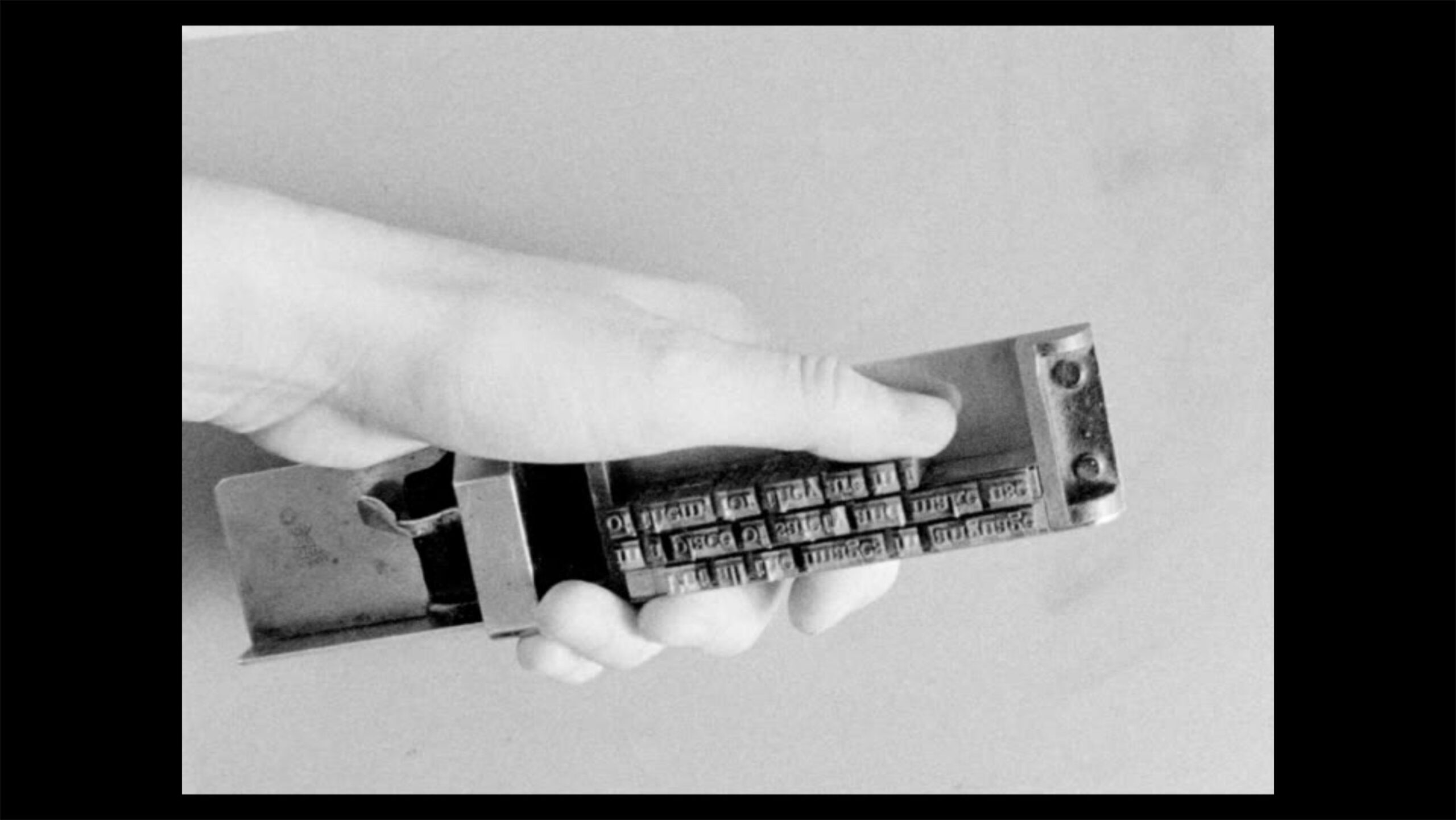
The Typographer – Bouchra Khalili
Ainda adolescente, sob tutela do Estado, Jean Genet foi colocado num centro de aprendizagem em Seine-et-Marne para se formar como tipógrafo. Durante algumas semanas, Genet frequentou o curso de tipografia, antes de fugir. Ao longo da vida, manteria uma atenção particular à composição dos seus textos e à tipografia enquanto campo profissional.
O filme de Bouchra Khalili, cuja obra se constrói como um arquivo de memórias, evoca a relação de Jean Genet com a composição tipográfica ao recriar a frase que serve de epígrafe a Un captif amoureux. A obra destaca um processo — uma prática de arquivo e de inscrição de vestígios —, interrogando a noção de marca e de impressão, bem como a “composição” da imagem, entendida tanto como trabalho de enquadramento quanto de texto. Coloca ainda em jogo o apagamento de signos, imagens e palavras, mas também o gesto potencialmente salvador, até redentor, do próprio fazer artístico.
FUSO 2026 – August 25th to 29th
August 27th, 10pm
Museu da Polícia
SHARED WORLDS
Pascale Cassagnau
“Against all importers of canned conscience. The palpable existence of life.” Oswald de Andrade, Anthropophagic Manifesto, 1928
Many works, many films and many texts invent forms which problematize emancipation figures, putting into perspective acts of transmission, education, translation and shared knowledge, by inscribing a continuous cycle of readers, spectators and subjects, who mutually emancipate each other over time. By being seen, heard, read and experienced, such works invent ways in which to make and express shared worlds in common. To embody worlds.
(Pascale Cassagnau)
There is Land! (Há Terra!) – Ana Vaz
Some of the central axes of Ana Vaz´s cinema are, dialogue between the present and the past, the role of archive in the construction of narrative and the discontinuity of historical time. Her work literally “exposes” a movement towards a reconquered otherness. At the same time, it puts into perspective the questions of our own time, through the tension between different territories and between archives and testimonies — maintained without resolution or any ambition to enumerate.
In There is Land!, this movement builds itself through the hybridization of references, circularities and repetition of segments. The fluidity of sequences and the editing transform the film into a truly cinematic machine, giving form to a filmic essay unfolding as research.
The Storm (La Tempête) – Dania Reymond
The Franco-Algerian Dania Reymond’s film reenacts the establishment of the first film session in the classroom of a village school. The children — apprentices to projection technicians — work on covering the windows to darken the space and prepare the projection. The film that appears on the makeshift screen represents the arrival of a cinema truck to a rural Algerian region in the 60s, during the colonial period.
Cinema is thus literally evoked as a storm of sounds, images, affections and ideologies, which overwhelm the amazed spectators.
Mangrove School – Filipa César and Sonia Vaz Borges
With the project Mangrove School, Filipa César leads an investigation which crosses the documentary gaze with a subjective perspective, focusing here on the relationship between history, memory, image and narrative, using the question of education as emancipation as the point of departure. She writes of this new film essay: “This time, we returned to Guinea-Bissau to research the student conditions in the guerrilla schools, deep within the mangrove. Very quickly, we ourselves became apprentices, and our first lesson was learning how to walk. If we walk in a straight line, placing our heels down first, we can easily slip and fall into the inundated rice paddy dykes of the mangrove, or we get stuck in the mud”.
Filipa César and Sonia Vaz Borges film these territories as infrastructures of an architecture network. In them, they inscribe young bodies in the process of learning, to whom the legacy of anticolonial struggle and the experience of this environment are taught. The filmmakers reconfigure the blueprint as a transmission space and as radical education, tuned into the memory of struggle. The film thereby becomes a manual for engagement with its branches.
The Typographer – Bouchra Khalili
While still an adolescent, and under the custody of the State, Jean Genet was placed in a learning center in Seine-et-Marne to train as a typographer. For a few weeks, Genet attended the typography course, before running away. Throughout his life, he would pay particular attention to the composition of his texts and to typography as a professional field.
Bouchra Khalili´s film, a work built as an archive of memories, evokes Jean Genet´s relationship with typographical composition by recreating the phrase which serves as the epigraph in Un captif amoureux. The work highlights a process — a practice of archiving and the inscription of traces — of questioning the notion of branding and print, as well as the “composition” of image, understood as both a framing task, as well as text. It throws in the erasure of signs, images and words, but also the potentially liberating, even redeeming, gesture, of the very act of making art.


Last Updated on Julho 18, 2026 by duplacena