

FUSO 2026 – 25 a 29 de Agosto
29 Agosto, 22h00 MAAT
MAAT – Museu de Arte, Arquitetura e Tecnologia (Pátio do Carvão)
Curador
Jean-François Chougnet & João Pinharanda
A OPEN CALL é uma das principais vertentes do FUSO, na sua missão de promover a nova criação nacional e de divulgar, distinguir e incentivar os artistas emergentes. Este ano, o concurso recebeu 194 candidaturas de artistas portugueses e de artistas estrangeiros residentes em Portugal. Jean-François Chougnet, diretor artístico do FUSO, e João Pinharanda, diretor do MAAT, selecionaram 15 obras que refletem a diversidade de práticas, linguagens artísticas e inquietações críticas que atravessam a produção recente de imagem em movimento em Portugal.
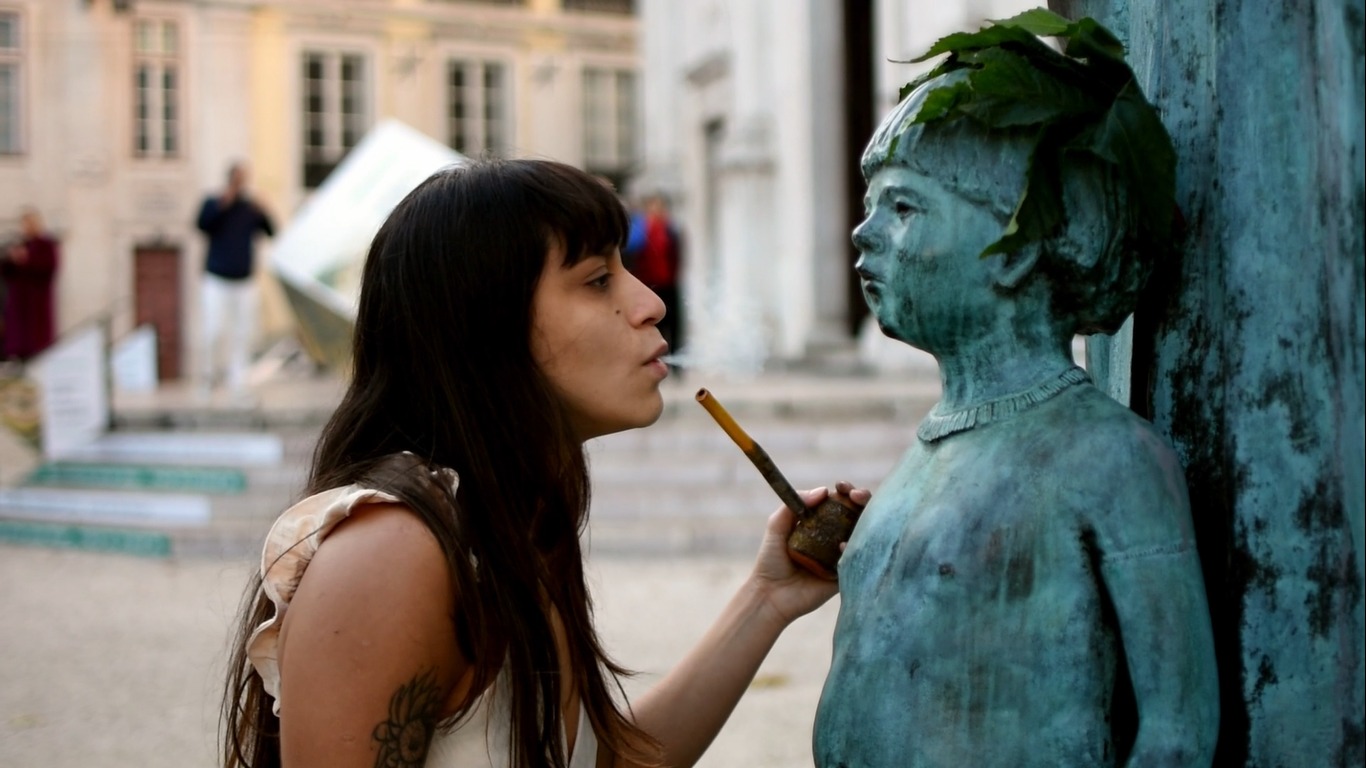
A cura que corre nas veias dos kurumin – Izabelle Louise
Esta obra conflui do encontro corporal- ritual com a artista de origem indígena Tremembé com a única estátua indígena em Portugal. Partindo da estátua colonial do Padre António Vieira, situada no espaço público de Lisboa, para problematizar as continuidades do imaginário colonial e a violência simbólica inscrita nos monumentos. A obra articula palavras, gestos e som como formas de reencantamento e confronto, transformando o espaço monumental em território de cura e memória, por meio da ativação desses seres encantados.
O texto performado convoca perspetivas contra-coloniais silenciadas ao longo de mais de quinhentos anos de colonização, questionando os processos de apagamento, catequese forçada, batismo e desumanização inscritos tanto na história quanto na iconografia da escultura. Ao interpelar os corpos ajoelhados representados na obra escultórica, a performance devolve-lhes movimento, nome e ancestralidade, rompendo com a narrativa paternalista e com as categorias coloniais. Por fim, é ofertado água, mel, milho e luz para que os kurumin corram mata adentro.
Direção e roteiro: Izabelle Louise; Fotografia: Fernanda Leme; Edição: Tatiana Nequete
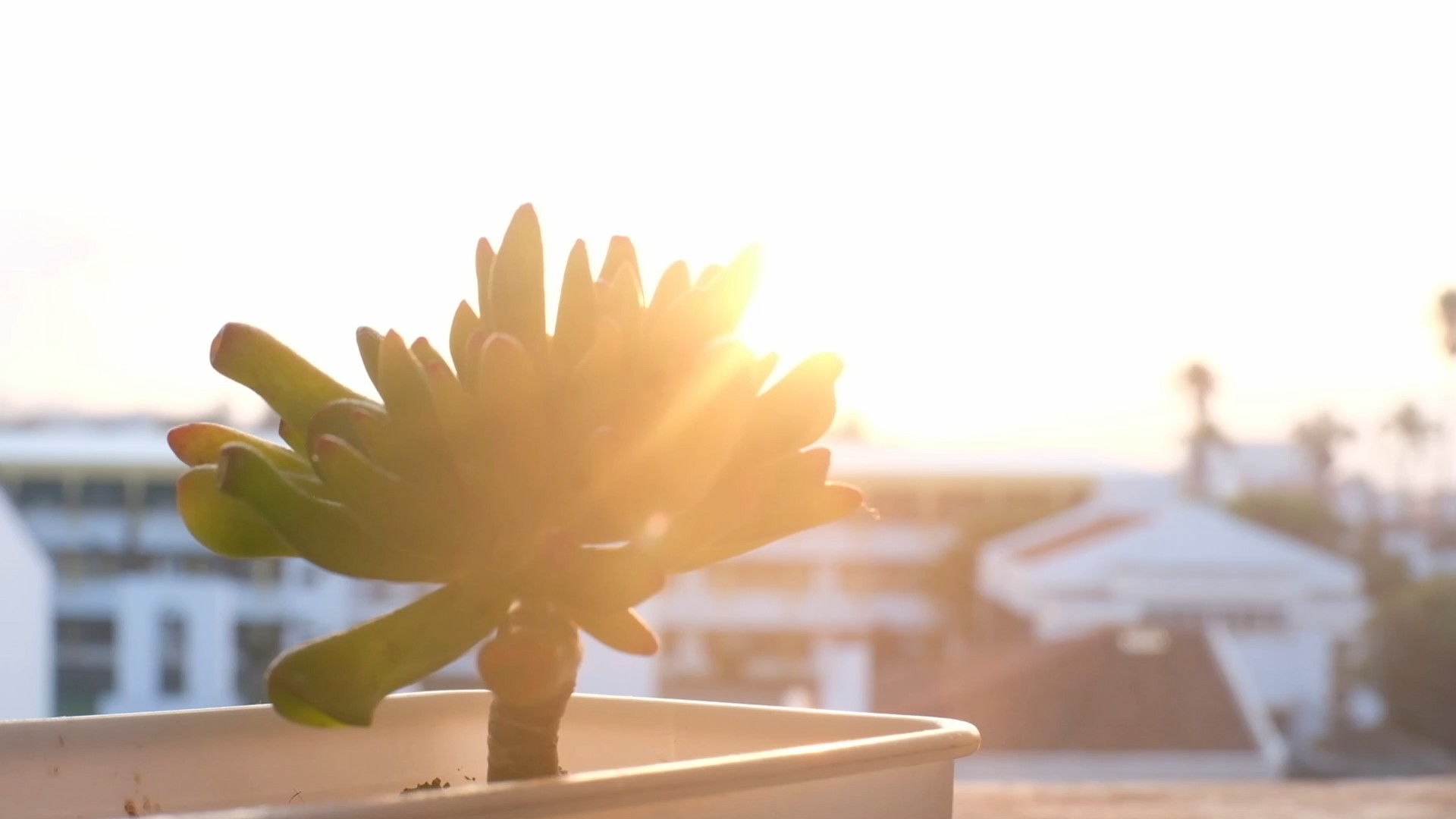
AINDA (NÃO) EM CASA – Kateryna Kondratieva
Um filme mosaico que combina as vozes das mulheres ucranianas que abandonaram as suas casas por causa da guerra com as imagens de plantas introduzidas dos Açores que criam raízes no novo solo. Através de componentes documentais e metafóricos, explora a experiência de perda e ganha, emigração e adaptação. Que oportunidades se abrem diante delas e quais escolhem consciente ou inconscientemente: algumas são casuais – aparecem e desaparecem; outras – naturalizadas – encontram o seu lugar e coexistem harmoniosamente com o meio envolvente; e invasoras, alterando a paisagem envolvente.
Realização e Cinematografia: Kateryna Kondratieva; Montagem: MJ Sousa
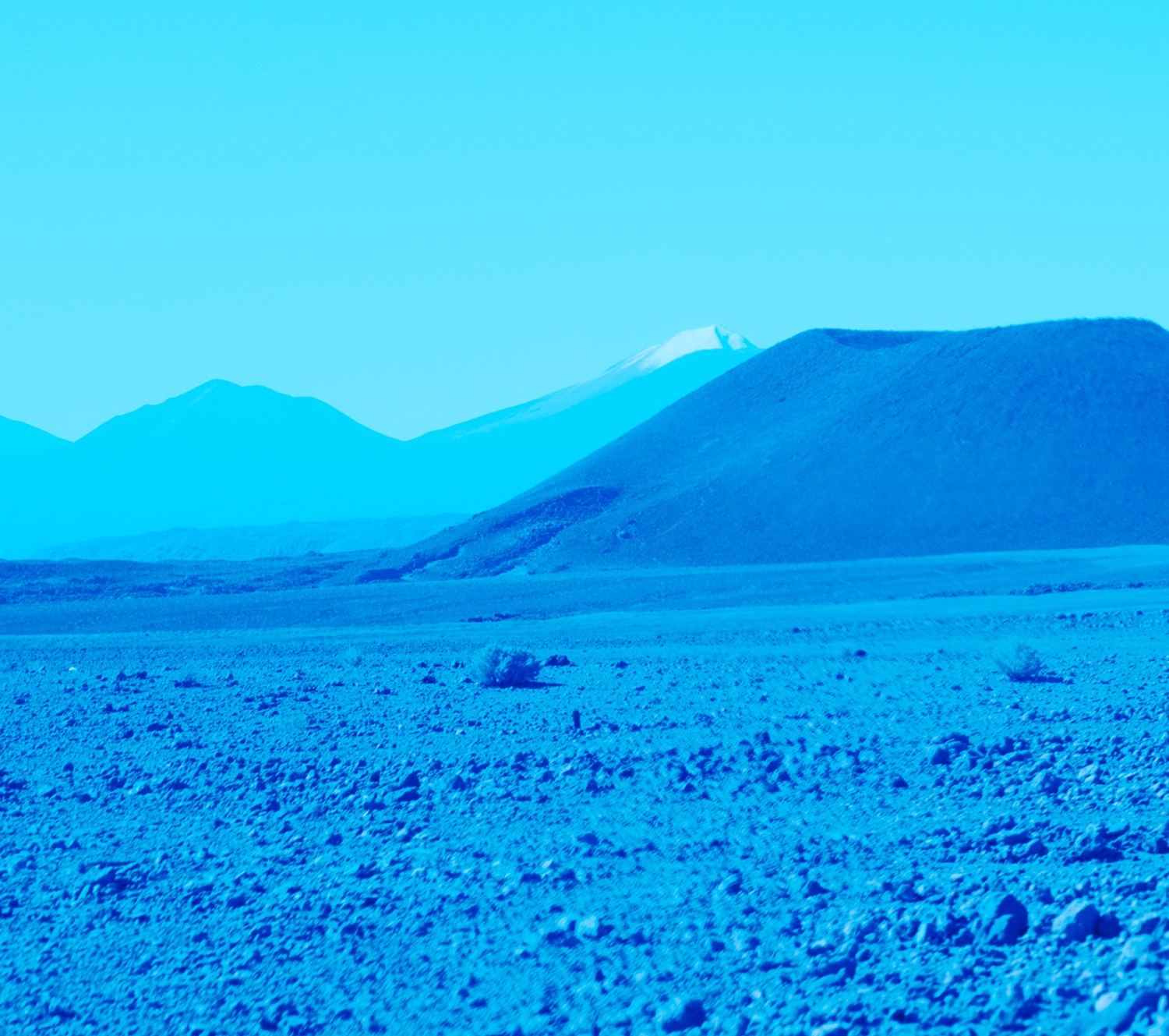
Anatomia do deserto – Nuno Cera
Anatomia do deserto – prefácio de uma investigação artística em curso (2025–2028), que articula fotografia e vídeo como dispositivos de leitura crítica do território. O Deserto do Atacama surge aqui como um campo de forças onde se cruzam extração mineral, experimentação ecológica e investigação científica. Mais do que documentar, as imagens operam como instrumentos de observação permitindo acompanhar a investigação artística em curso e revelar diferentes infraestruturas, a paisagem vulcânica, o território em transformação, o Salar de Atacama, a mina de cobre de Chuquicamata, as vilas operárias Cecília e Humberstone.
Entre pedras e cosmos, minas e detritos, procuro as teias invisíveis que estruturam o território contemporâneo, numa viagem por uma Zona Global de Sacrifício. Dando continuidade a projetos anteriores, como Luzes Distantes (2021–2022) e Acid Flamingo (2023–2024), Anatomia do Deserto amplia esta investigação para uma escala planetária, propondo uma reflexão crítica sobre as relações entre deserto, energia, tecnologia, ecologia e ciência — um gesto artístico que tornar visível o invisível.
Realização: Nuno Cera em colaboração com Julia Albani
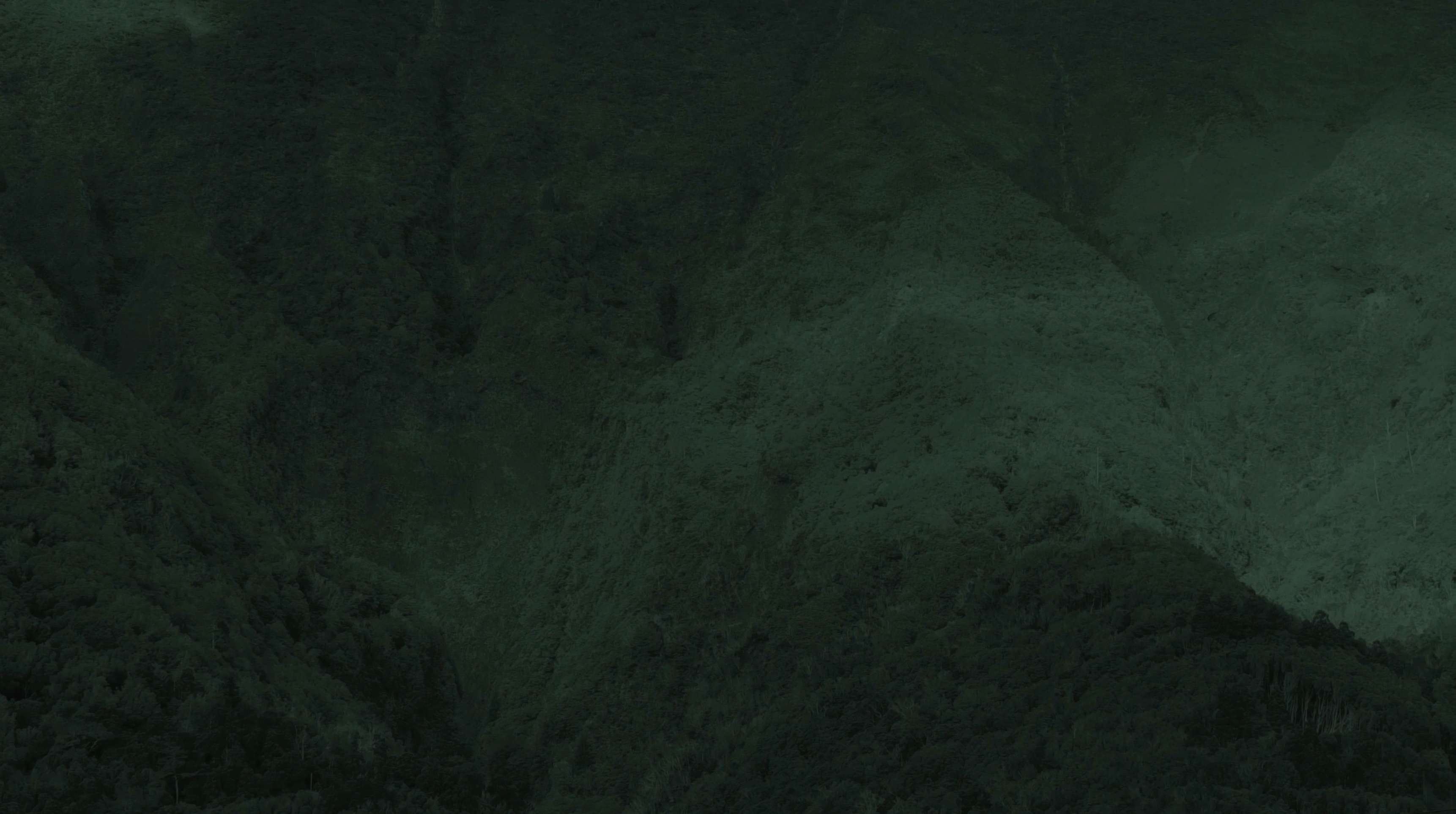
Cobra verde – Náhir Capelo
Cobra Verde explora a paisagem vulcânica dos Açores como um contínuo processo de transformação. Numa temporalidade dilatada, lagoas de cratera, campos lávicos e outras formações geológicas revelam micro variações quase impercetíveis, inscritas numa temporalidade geológica que escapa à perceção humana.
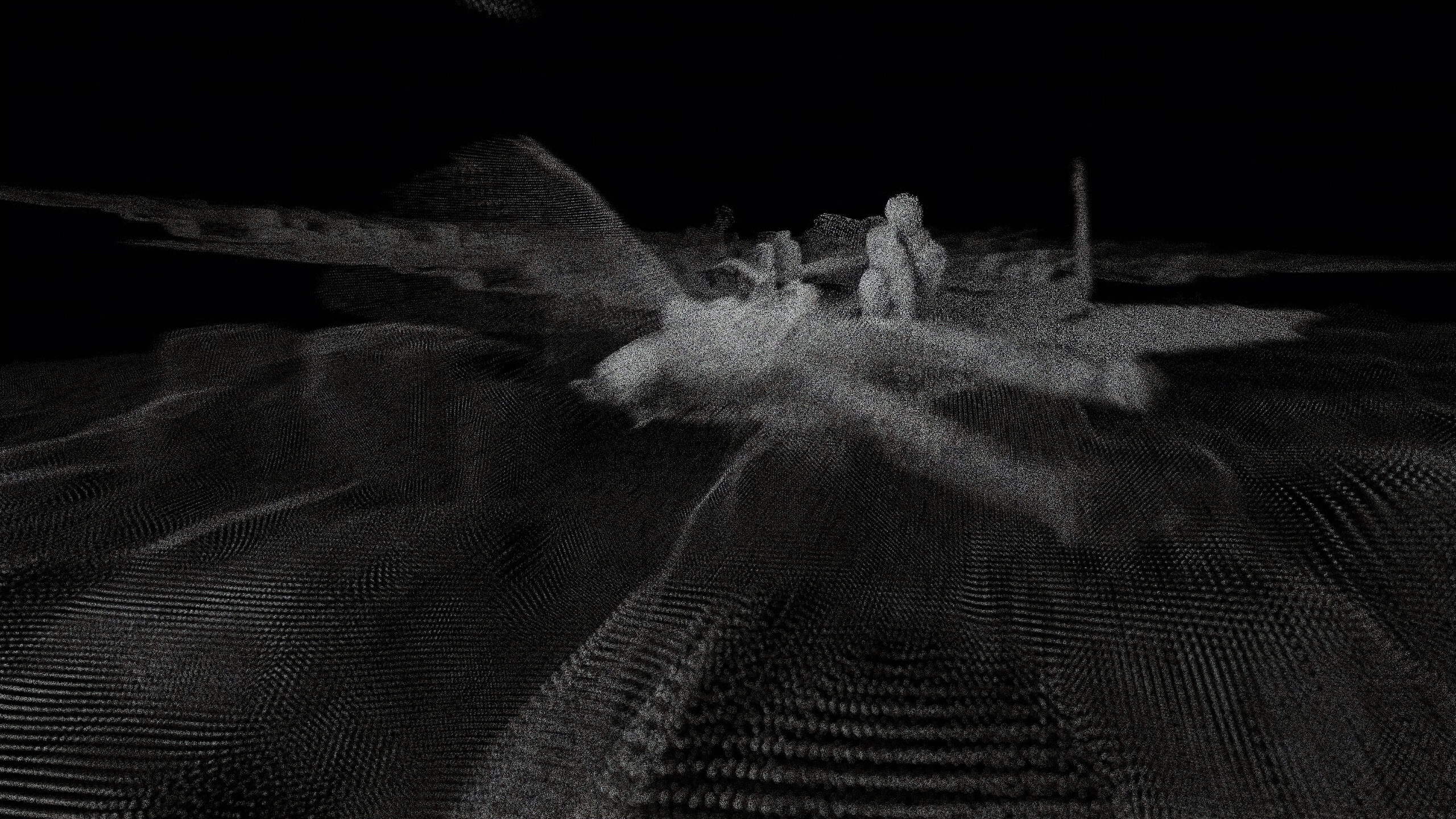
Count – Daniele Grosso
Um homem considera por um instante a ideia de que o sofrimento não pode ser quantificado, de que duas pessoas que sofrem não são mais do que uma que sofre.
Adaptado do livro: Visita ao Hades: Auschwitz e Breslau (1966) de Günther Anders
Realização / Animação / Som: Daniele Grosso; Consultor: Adrian Leverkühn
Entre Seres – Susanne Themlitz
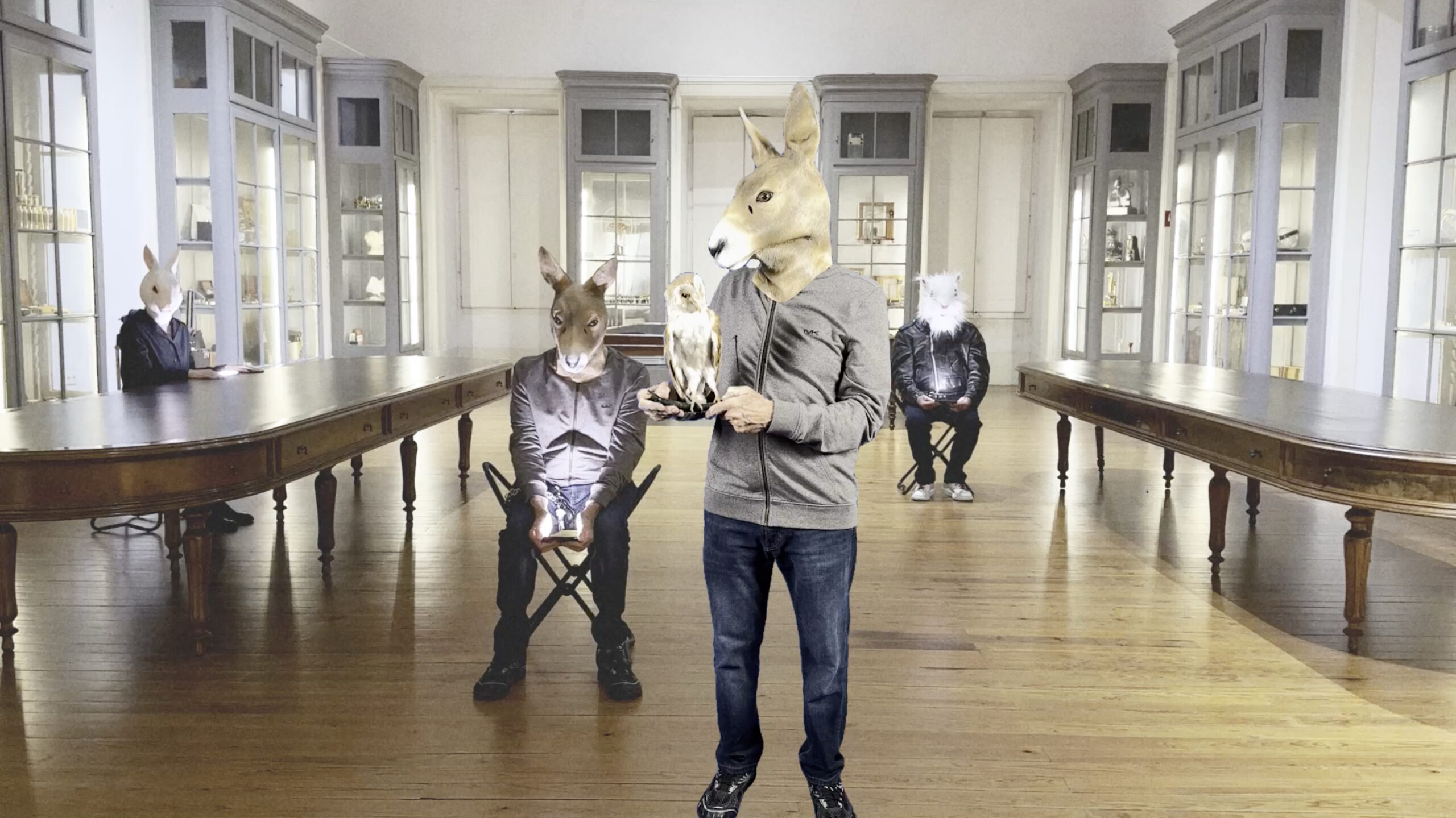
Figuras humanas com cabeças de animais surgem de forma alucinatória por todo o Museu de História Natural e Ciência de Lisboa e em vários lugares do Jardim Botânico. Polvos entrelaçam-se com raízes aéreas de árvores gigantes. Entre as prateleiras do acervo da coleção de mamíferos, uma tartaruga voadora paira no ar, enquanto um canguru humano permanece quase imóvel, segurando uma coruja. O filme, uma viagem num estado de suspensão. Referências à história da arte, à realidade, à ficção, à memória e aos sonhos convergem. Um espaço poético em que o tempo parece dissolver-se.
Filme Pin – Maria Rojas Arias e Andrés Jurado
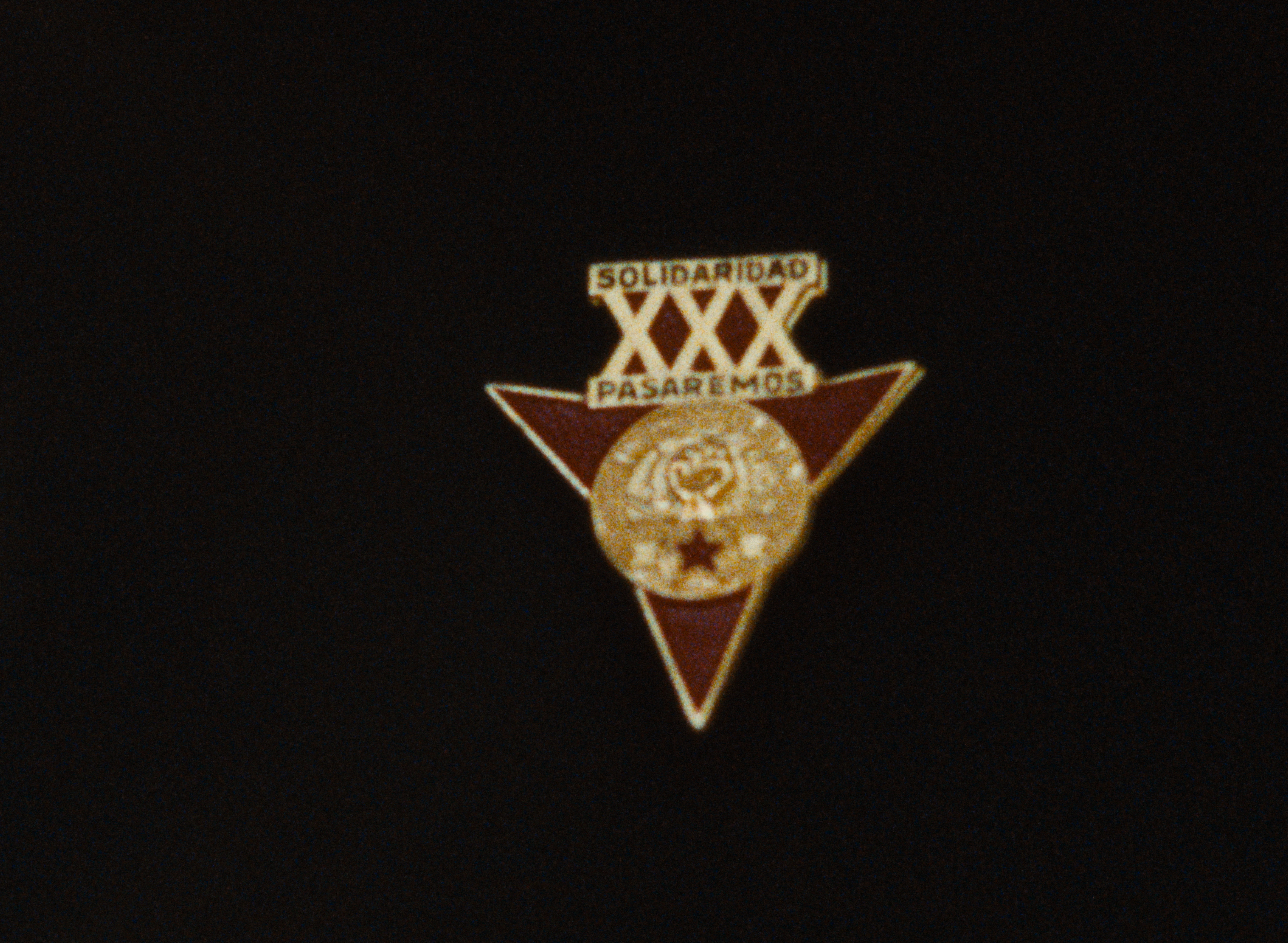
Entre luz, metal e prata, Filme Pin transforma uma coleção de pins de solidariedade num arquivo a outra escala, espetros do exílio e da luta internacional contra o regime fascista e colonial de Portugal.
Argumento: María Rojas Arias, Andrés Jurado; Fotografia: Andrés Jurado; Som: María Rojas Arias; Mistura de som: Joana Niza Braga; Montagem: Andrés Jurado, María Rojas Arias; Produção: María Rojas Arias, Andrés Jurado / La Vulcanizadora; Coprodução: Paulo Carneiro / Bam Bam Cinema; Corretor de cor: Gonçalo Ferreira
Janela – Nuno Lacerda
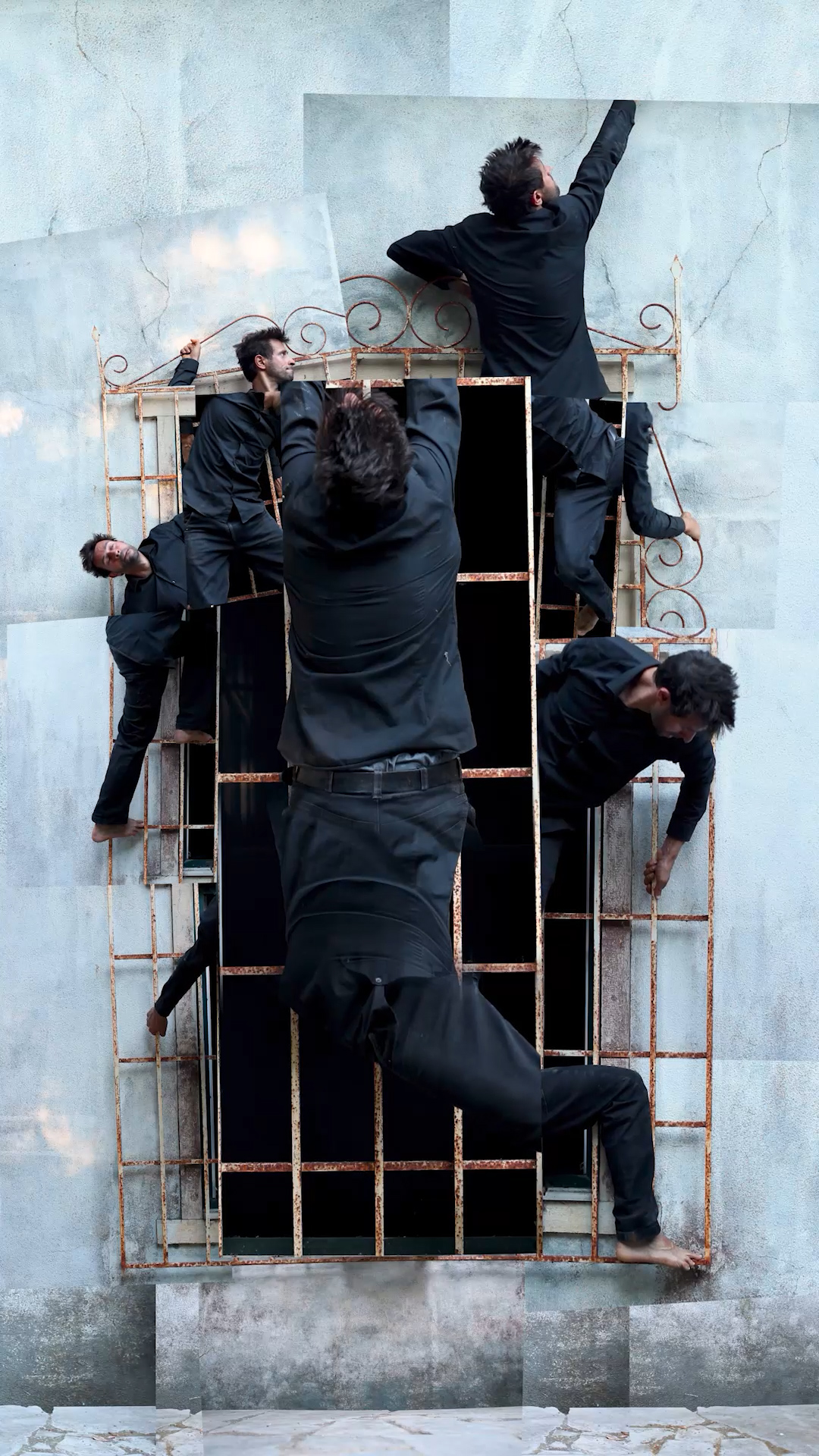
Uma janela engradada. Travessia interdita onde um corpo é projetado e desintegrado, evoca memórias e multiplica-se numa metamorfose que o devolve ao mesmo desconhecido de onde emergiu.

lil~mér~maid~~ ~ – S4RA
emergindo do espaço líquido entre mito & simulacro, uma sereia reaparece representada por superfícies digitais, onde o corpo se fragmenta e se expande através de estados de desejo e silêncio. um eco, espuma e fantasma de uma presença instável. revela-se numa hibridez inquieta, assombrada por narrativas pré-definidas & metamorfose para existir na era da hiper-realidade.
m’estimaries igual si fos una roca? – Diogo da Cruz
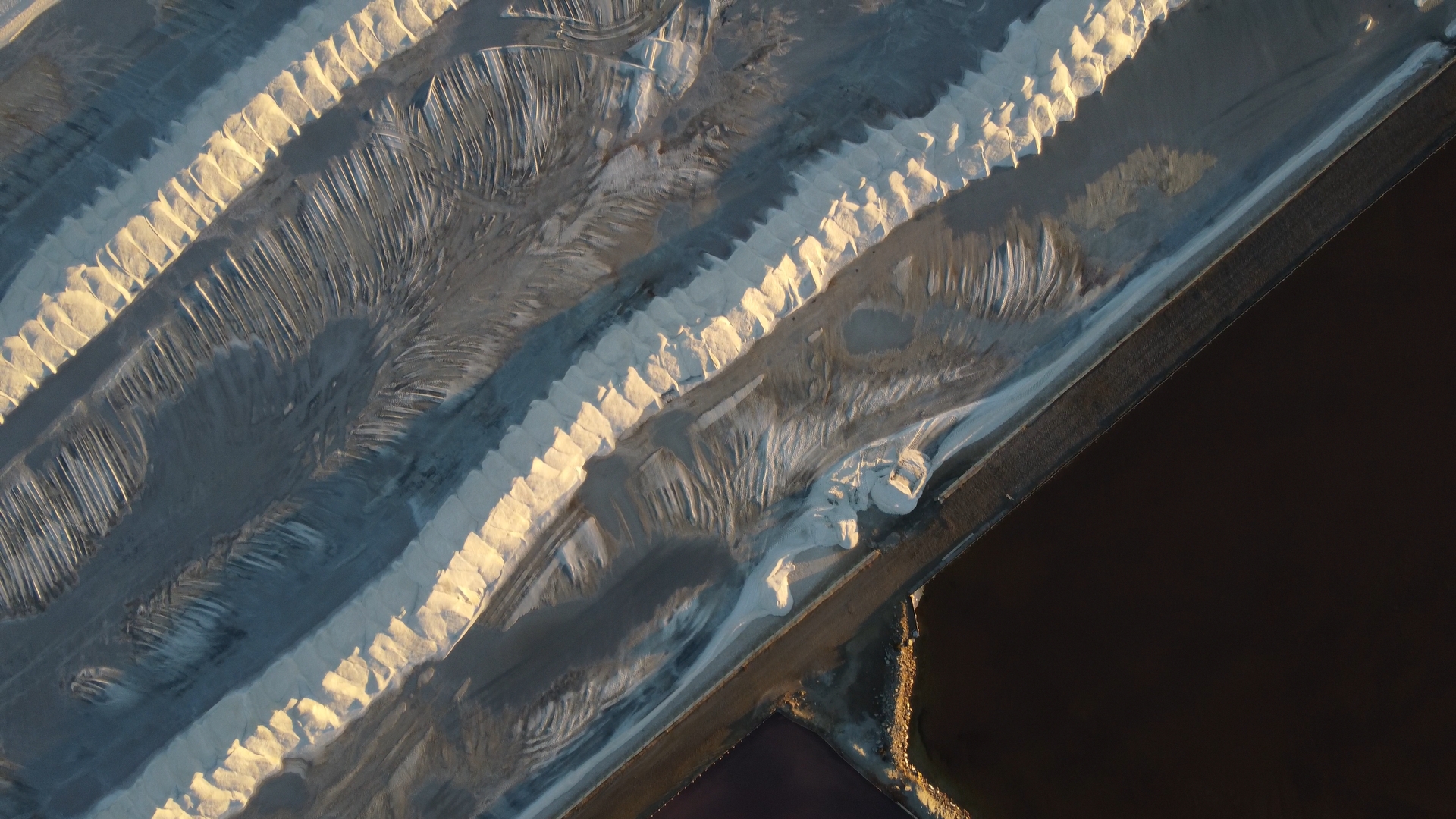
Filmado nas lagunas geométricas e nos gradientes minerais de Ses Salines, em Ibiza, este vídeo acompanha uma personagem apaixonada pela espécie humana, com quem mantém uma relação simultaneamente íntima e tóxica. Com voz-off da poetisa ibicenca Eva Tur, esta figura especulativa, entre o geológico e o afetivo, carrega consigo o tempo profundo da Terra, a memória do trabalho humano, as histórias de extração colonial e a fragilidade contemporânea de um ecossistema sob crescente pressão.
Voz e tradução: Eva Tur
Outros – Bruno Gularte Barreto
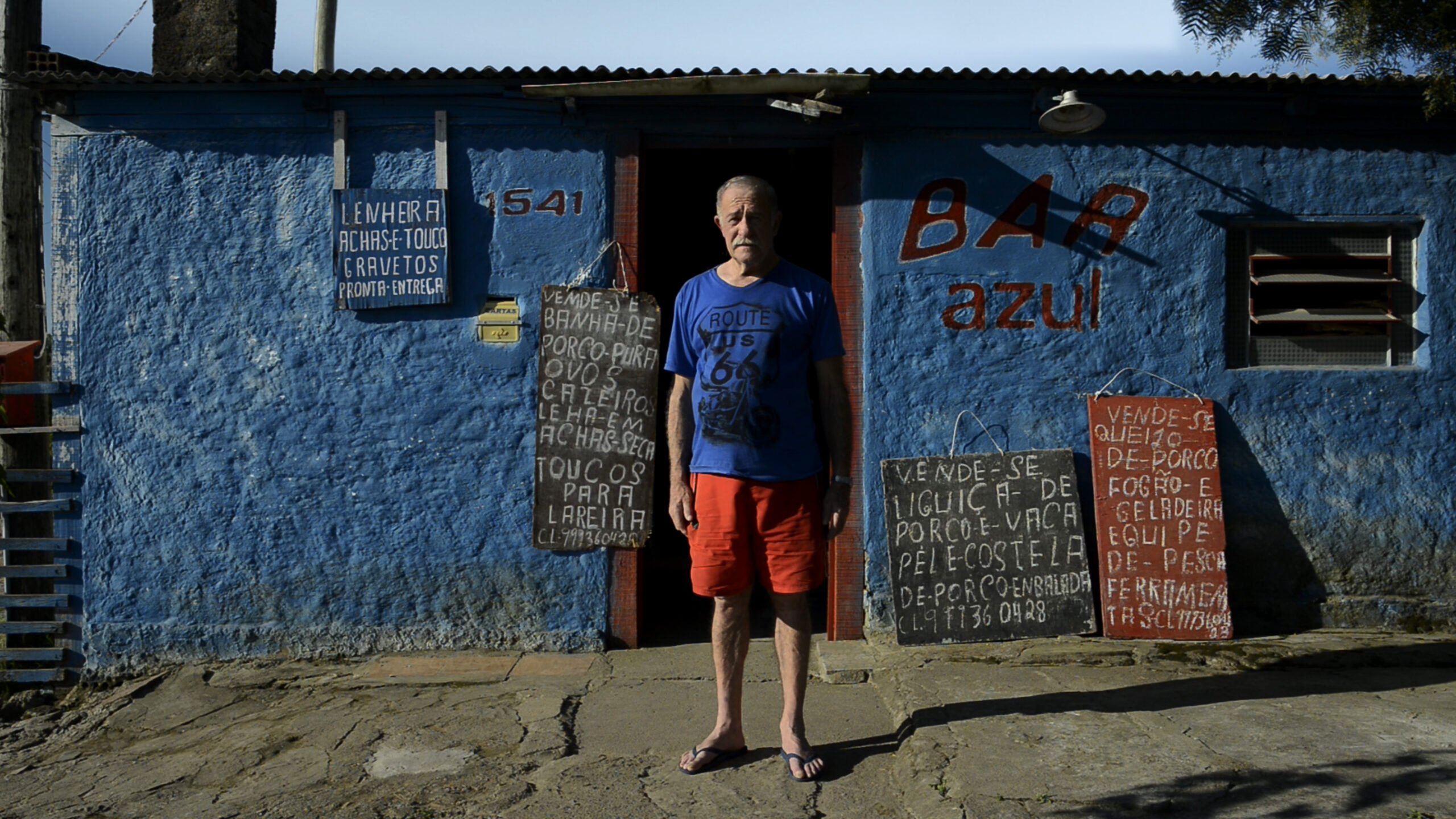
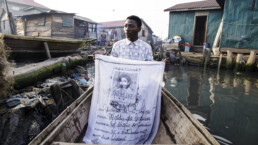
Outros reúne uma série de vídeo-retratos realizados na cidade onde o autor nasceu, no interior do extremo sul do Brasil. Diante da câmara, pessoas permanecem imóveis e encaram-nos, instaurando uma relação direta com quem observa. Neste jogo de ver e ser visto, o retrato deixa de ser um simples registo para se tornar um espaço de tensão, onde o olhar é simultaneamente encontro e confronto. Entre a memória pessoal e a memória colectiva, Outros constrói um retrato da cidade através daqueles que a habitam, questionando os limites entre intimidade e etnografia. O resultado é um conjunto de presenças silenciosas que devolvem o olhar ao espectador, convocando a refletir sobre identidade, pertença e as formas como uma comunidade escolhe ver, ou invisibilizar, os seus próprios habitantes.
Num contexto marcado pelo conservadorismo, pela homofobia, pelo etarismo e por outras formas de vigilância social, tornar-se visível pode representar um risco. Apropriando-se da tradição formal do retrato para a desestabilizar, o vídeo desloca o foco da representação para a presença, recusando uma leitura documental transparente.
Direção: Bruno Gularte Barreto. Cinematografia: Tiago Coelho. Montagem e desenho de som: Vicente Moreno. Assistência: Daniela Strack e Thiéle Elissa
P’a Vida Toda – Bernardo Cantigas
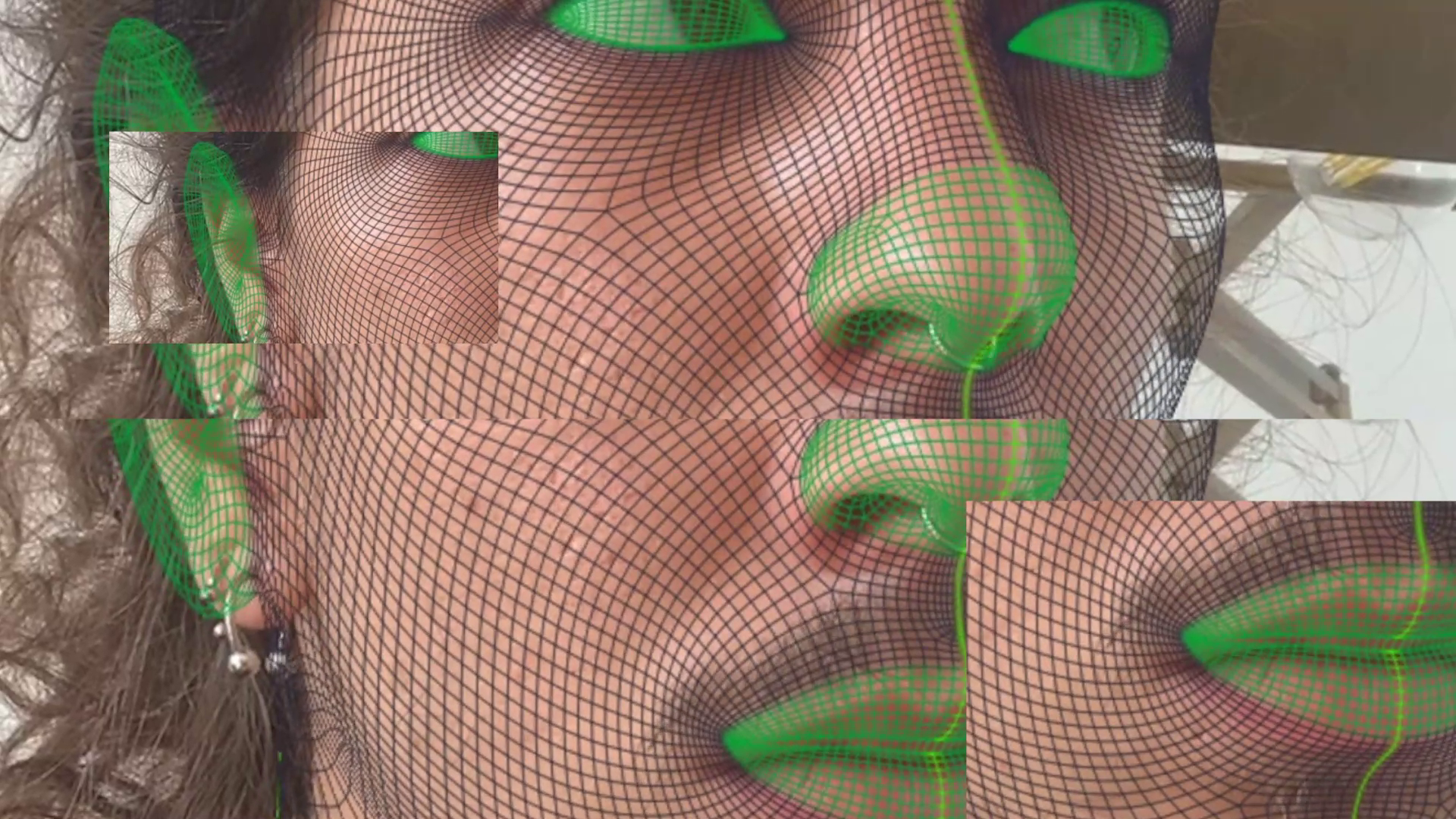
Bernardo Cantigas apresenta a memória como matéria-prima fundamental na construção do eu, propondo uma reflexão sobre como as recordações se transformam e se reinventam no processo de constituição identitária.
Reaching for fata morgana – Inês Mendes Leal
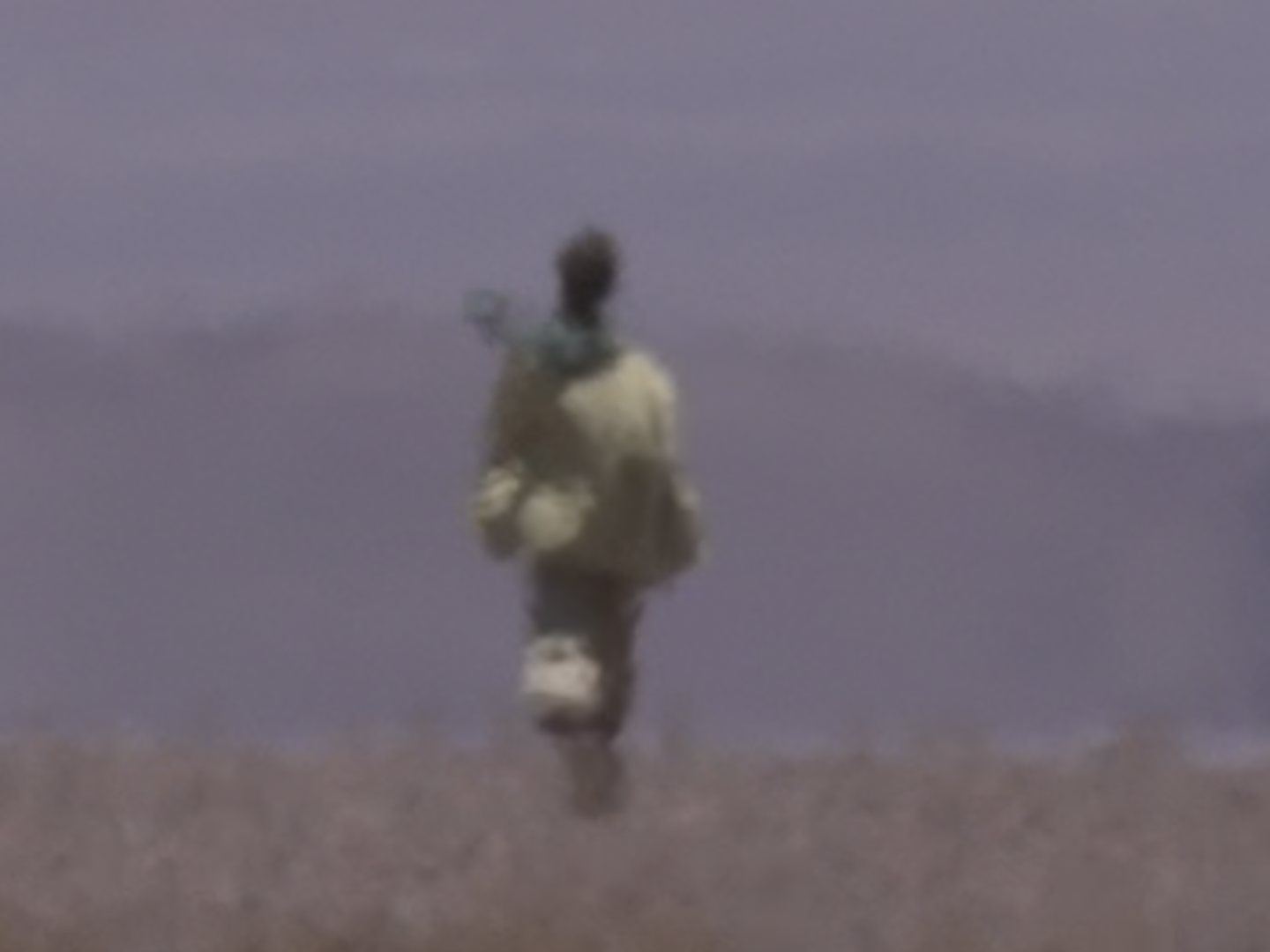
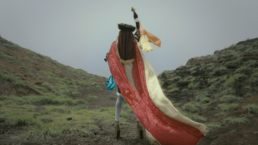
Reaching for Fata Morgana resulta de uma pesquisa realizada pela artista no deserto de Atacama, no Chile, na qual procurava registar a Fata Morgana. Um fenómeno ótico provocado por diferenças térmicas extremas que distorcem a percepção da uma imagem através da refração da luz. Percorrendo o deserto em linha reta a artista dirige-se para o horizonte e gradualmente dissolve-se na paisagem. Numa tentativa de chegar até à linha do horizonte o seu corpo acaba por se tornar também parte da miragem.

Solta – Salomé Lamas
Na fenda entre solta — libertação, o solto, o livre — e o circuito fechado que nomeia, a migração é encenada como regresso instrumentalizado, e a liberdade como a forma mais disciplinada de obediência. O que parece libertação é o seu contrário: pombos-correio criados para que o voo sirva apenas para regressar.
Argumento e Realização: Salomé Lamas; Produção: Lamaland; Elenco: Homing Pigeons; Montagem: Salomé Lamas, João Martinho; Som, mistura de re-gravação: Miguel Martins; Estúdio de montagem: Lamaland; Estúdio de som: McFly Sound Production and Films
Produzido com imagens de *Coup de Grâce* (2016)
Produção: O Som e a Furia; Diretora de produção: Isabel Silva; Fotografia: Rui Xavier
Apoio: ICA – Instituto do Cinema e do Audiovisual

Tâmbukwa – Sheila Ramirez
Tâmbukwa é uma vídeo-obra filmada na foz do rio Chiloango, em Cabinda, onde o rio encontra o oceano Atlântico. No centro da obra está um tecido bordado com nomes de plantas indígenas reconhecidas pelas comunidades locais, reunidos a partir de um arquivo botânico de 1916 e conversas realizadas entre Cabinda e Luanda. Através de gestos de imersão, lavagem e escuta, o filme percorre as relações entre a água, a memória e a transmissão de saberes. Em kikongo, fiote e português, o filme entrelaça provérbios, reflexões pessoais e vozes da comunidade para pensar a água como lugar de reconhecimento, cuidado e retorno. Tâmbukwa convida o espectador a um espaço onde a memória é transportada pelo corpo, pela língua e pela paisagem.
Direção: Sheila Ramirez; Câmara: Pascoal Ncasso; Edição: Sheila Ramirez; Vozes: Sheila Ramirez, Maria Leonor de Almeida; Produção: Sheila Ramirez
Com o apoio da NESR Art Foundation
FUSO 2026 – August 25th to 29th
August 29th, 10pm MAAT
MAAT – Museum of Art, Architecture and Technology (Pátio do Carvão)
Curator
Jean-François Chougnet & João Pinharanda
The OPEN CALL is one of FUSO’s main initiatives in its mission to promote new artistic production in Portugal and to showcase, recognize, and encourage emerging artists. This year, the competition received 194 submissions from Portuguese artists and international artists residing in Portugal. Jean-François Chougnet, Artistic Director of FUSO, and João Pinharanda, Director of MAAT, selected 15 works that reflect the diversity of practices, artistic languages, and critical inquiries that characterize recent moving-image production in Portugal.
A cura que corre nas veias dos kurumin – Izabelle Louise
This work emerges from a ritual-carnal encounter between an artist of Tremembé Indigenous origin and the only Indigenous statue in Portugal. It uses the colonial statue of Father António Vieira, located in the public space of Lisbon as a departure point, in order to problematize the continuities of the colonial imaginary and the symbolic violence inscribed in monuments. The work articulates word, gesture and sound as forms of re-enchantment and confrontation, transforming the monumental space into a territory of healing and memory through the activation of enchanted beings.
The performed text summons counter-colonial perspectives silenced over more than five hundred years of colonization, questioning the processes of erasure, forced catechism, baptism and dehumanization embedded both in history and in the sculpture’s iconography. By addressing the kneeling bodies represented in the sculptural work, the performance restores to them movement, identity and ancestry, breaking with the paternalistic narrative and with colonial categories. Finally, water, honey, corn and light are offered so that the *kurumin* may run deep into the forest.
Director and Screenplay: Izabelle Louise; Cinematography: Fernanda Leme; Editing: Tatiana Nequete
(not) home yet – Kateryna Kondratieva
A mosaic film that combines the voices of Ukrainian women who left their homes because of the war, with images of plants introduced to the Azores, taking root in the new soil.
Through documentary and metaphorical elements, it explores the experience of loss and gain, emigration and adaptation. What opportunities open up before them, and which ones they choose, consciously or unconsciously: some are casual—they appear and disappear; others naturalized—they find their place and coexist harmoniously with the environment, and invasive, altering the surrounding landscape.
Director and Cinematographer: Kateryna Kondratieva; Editor: MJ Sousa
Anatomia do deserto – Nuno Cera
Anatomia do deserto—a preface to an ongoing artistic investigation (2025–2028) that combines photography and video as tools for a critical reading of the territory. The Atacama Desert emerges here as a field of forces where mineral extraction, ecological experimentation and scientific research intersect. More than mere documentation, the images function as instruments of observation, allowing viewers to follow the ongoing artistic investigation and reveal different infrastructures, the volcanic landscape, the transforming territory, the Salar de Atacama, the Chuquicamata copper mine and the mining towns of Cecilia and Humberstone.
Between rocks and cosmos, mines and debris, I seek the invisible webs that structure the contemporary territory, on a journey through a Global Zone of Sacrifice. Building on previous projects such as “Luzes Distantes” (2021–2022) and “Acid Flamingo” (2023–2024), “Anatomia do Deserto” expands this investigation to a planetary scale, offering a critical reflection on the relationships between the desert, energy, technology, ecology and science—an artistic gesture that makes the invisible visible.
Directed by Nuno Cera in collaboration with Julia Albani
Cobra verde – Náhir Capelo
Cobra Verde explores the volcanic landscape of the Azores as a continuous process of transformation. Within an expanded temporality, crater lakes, lava fields and other geological formations reveal subtle, almost imperceptible, variations inscribed within a geological timescale that exceeds human perception.
Count – Daniele Grosso
A man briefly entertains the idea that suffering can’t be counted, that two who suffer are not more than one who suffers.
Adapted from the book: Visit to Hades: Auschwitz and Breslau (1966) by Günther Anders
Direction / Animation / Sound: Daniele Grosso; Consultant: Adrian Leverkühn
Entre Seres – Susanne Themlitz
Human figures with animal heads appear in a hallucinatory manner throughout the Natural History and Science Museum in Lisbon, and in different locations of the Botanical Garden. Octopuses intertwine with the aerial roots of giant trees. Between the storage shelves of the mammal collection, a flying turtle hovers in the air, whilst a human kangaroo stands almost motionless, holding an owl. The film is a journey in a state of suspension. References to art history, reality, fiction, memory and dreams converge. A poetic space in which time seems dissolved.
Film Pin – Maria Rojas Arias e Andrés Jurado
Between light, metal and silver, Filme Pin turns a collection of solidarity pins into an archive on another level, the ghosts of exile and international struggle, against Portugal’s fascist and colonial regime.
Script: María Rojas Arias, Andrés Jurado; Cinematography: Andrés Jurado; Sound: María Rojas Arias; Sound Mix: Joana Niza Braga; Editing: Andrés Jurado, María Rojas Arias; Production: María Rojas Arias, Andrés Jurado / La Vulcanizadora; Co-Production: Paulo Carneiro / Bam Bam Cinema; Color Grading: Gonçalo Ferreira
Window – Nuno Lacerda
A barred window. A forbidden crossing where a body is projected and disintegrated, evoking memories and multiplying itself in a metamorphosis that returns it to the same unknown from which it emerged.
lil~mér~maid~~ ~ – S4RA
emerging from the liquid space between myth & simulacrum, a mermaid reappears, multiplied across digital surfaces, where the body fragments & expands through states of desire & silence. an echo, foam & ghost of an unstable presence. it unfolds a restless hybridity, haunted by scripted roles & metamorphosis to exist in the age of hyperreality.
m’estimaries igual si fos una roca? – Diogo da Cruz
Filmed across the geometric lagoons and mineral gradients of Ses Salines, Ibiza, this video follows a character in love with the human species, with whom it shares a relationship that is at once intimate and toxic. Voiced by Ibizan poet Eva Tur, this speculative figure, suspended between the geological and the affective, carries within it deep time, the memory of human labour, histories of colonial extraction and the fragile present of an ecosystem under increasing pressure.
Voice and Translation: Eva Tur
Others – Bruno Gularte Barreto
Others brings together a series of video portraits filmed in the town where the artist was born, in the deep south of rural Brazil. Facing the camera, the participants remain still and meet the viewer’s gaze, establishing a direct relationship with those who watch. In this interplay of seeing and being seen, portraiture ceases to function as a simple record, and becomes a space of tension, where the gaze is at once an encounter and a confrontation. Moving between personal and collective memory, Others constructs a portrait of the town through those who inhabit it, questioning the boundaries between intimacy and ethnography. The result is a constellation of silent presences that return the viewer’s gaze, inviting reflection on identity, belonging, and the ways in which a community chooses to see, or render invisible, its own inhabitants.
Set against a context shaped by conservatism, homophobia, ageism, and other forms of social surveillance, becoming visible can itself be an act of risk-taking. By appropriating and destabilizing the formal tradition of portraiture, the video shifts its focus from representation to presence, resisting a transparent documentary reading.
Director: Bruno Gularte Barreto. Cinematography: Tiago Coelho. Editing and Sound Design: Vicente Moreno. Assistants: Daniela Strack and Thiéle Elissa
P’a Vida Toda – Bernardo Cantigas
Bernardo Cantigas builds his artistic practice through an intimate dialogue with memory.The artist presents memory as the raw material in the construction of self, proposing a reflection on how recollections transform and reinvent themselves in the process of identity formation.
Reaching for fata morgana – Inês Mendes Leal
Reaching for Fata Morgana is the result of research carried out by the artist in the Atacama Desert, Chile, where she aimed to document the Fata Morgana, an optical phenomenon caused by extreme temperature differences that distort the perception of an image through the refraction of light. Walking across the desert in a straight line, the artist moves towards the horizon, gradually dissolving into the landscape. In an attempt to reach the horizon line, her body ultimately becomes part of the mirage itself.
Solta – Salomé Lamas
In the gap between solta — release, the unbound, the free — and the closed loop it names, migration is staged as instrumentalized return, and freedom as the most disciplined form of obedience. What looks like liberation is its opposite: homing birds bred so that flight serves only to return.
Written and Directed: Salomé Lamas; Production: Lamaland; Cast: Homing Pigeons; Editing: Salomé Lamas, João Martinho; Sound, Re-recording mixer: Miguel Martins; Editing Studio: Lamaland; Sound Studio: McFly Sound Production and Films
Produced with materials from Coup de Grâce (2016)
Production: O Som e a Furia; Production Director: Isabel Silva; Cinematography: Rui Xavier;
Support: ICA – Instituto do Cinema e do Audiovisual
Tâmbukwa – Sheila Ramirez
Tâmbukwa is a video work filmed at the mouth of the Chiloango River in Cabinda, where the river meets the Atlantic Ocean. At the center of the piece is an embroidered textile bearing the names of indigenous plants recognized by local communities, gathered from a 1916 botanical archive and from conversations held between Cabinda and Luanda.
Through gestures of immersion, washing and listening, the film traces the relationships between water, memory and the transmission of knowledge. Spoken in Kikongo, Fiote and Portuguese, the film intertwines proverbs, personal reflections and community voices to consider water as a place of recognition, care and return. Tâmbukwa invites the viewer into a space where memory is carried through the body, language, and the landscape.
Director: Sheila Ramirez; Cinematography: Pascoal Ncasso; Editing: Sheila Ramirez
Voices: Sheila Ramirez, Maria Leonor de Almeida; Production: Sheila Ramirez
With support from the NESR Art Foundation


Last Updated on Agosto 10, 2026 by duplacena