

FUSO 2026 – 25 a 29 de Agosto
26 Agosto, 22h00
Museu da Marioneta
Destino Brasil – Entre a Realidade e o Imaginário. Reflexões sobre poder, identidade e espiritualidade
Bruno Z’Graggen
Após o FUSO de 2024, a plataforma de videoarte VIDEO WINDOW apresenta outro programa dedicado à videoarte brasileira, intitulado ambiguamente Destino Brasil, com filmes de Aline Motta, Camila Freitas e Janaina Wagner. Através destas três obras, o programa disponibiliza uma visão fragmentada sobre as realidades da vida no Brasil, do Rio de Janeiro às profundezas da Amazónia. Ao mesmo tempo, oferece uma comparação das diferentes posições de artistas mulheres a meio de carreira, distintas na singularidade das suas vozes, reconhecidas tanto nacional quanto internacionalmente.
Apesar da sua formação, estadias prolongadas ou residências fora do país, as artistas mantêm uma conexão profunda com o Brasil nas suas obras. Os três vídeos ensaísticos mergulham nas realidades sociais, culturais e políticas, incluindo em mundos religiosos e mitológicos enraizados sobretudo no passado colonial do país, como a história da escravatura (o Atlântico negro), a cosmologia afro-brasileira sincrética (umbanda), com os seus elementos indígenas, africanos e cristãos, e a disputa conflituosa pelos recursos naturais na região amazónica. As obras convidam o público a refletir sobre as questões de poder, memória coletiva, identidade cultural e crenças de pessoas que resistem às estruturas de poder.
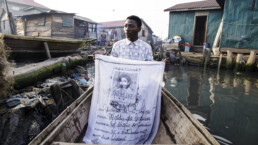
Em (Outros) Fundamentos (2019), de Aline Motta, a artista embarca numa jornada a Lagos, na Nigéria. O trabalho dá início à reflexão da artista sobre as suas raízes e o seu sentimento de pertença, que oscilam entre África e Brasil.
A obra Aparição (2024), de Camila Freitas, oferece uma visão intimista das práticas espirituais de umbanda, experimentadas pela sua avó.
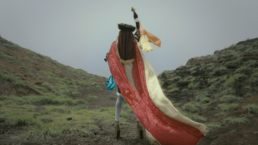
Curupira e a Máquina do Destino (2011), de Janaina Wagner, leva os espectadores até ao meio da Amazónia, através da lendária rodovia transamazónica, conduzindo-os pela estrada até um encontro imaginário com Curupira, uma figura mitológica que protege a floresta contra forças externas.
(Bruno Z’Graggen, curador VIDEO WINDOW, Zurich)
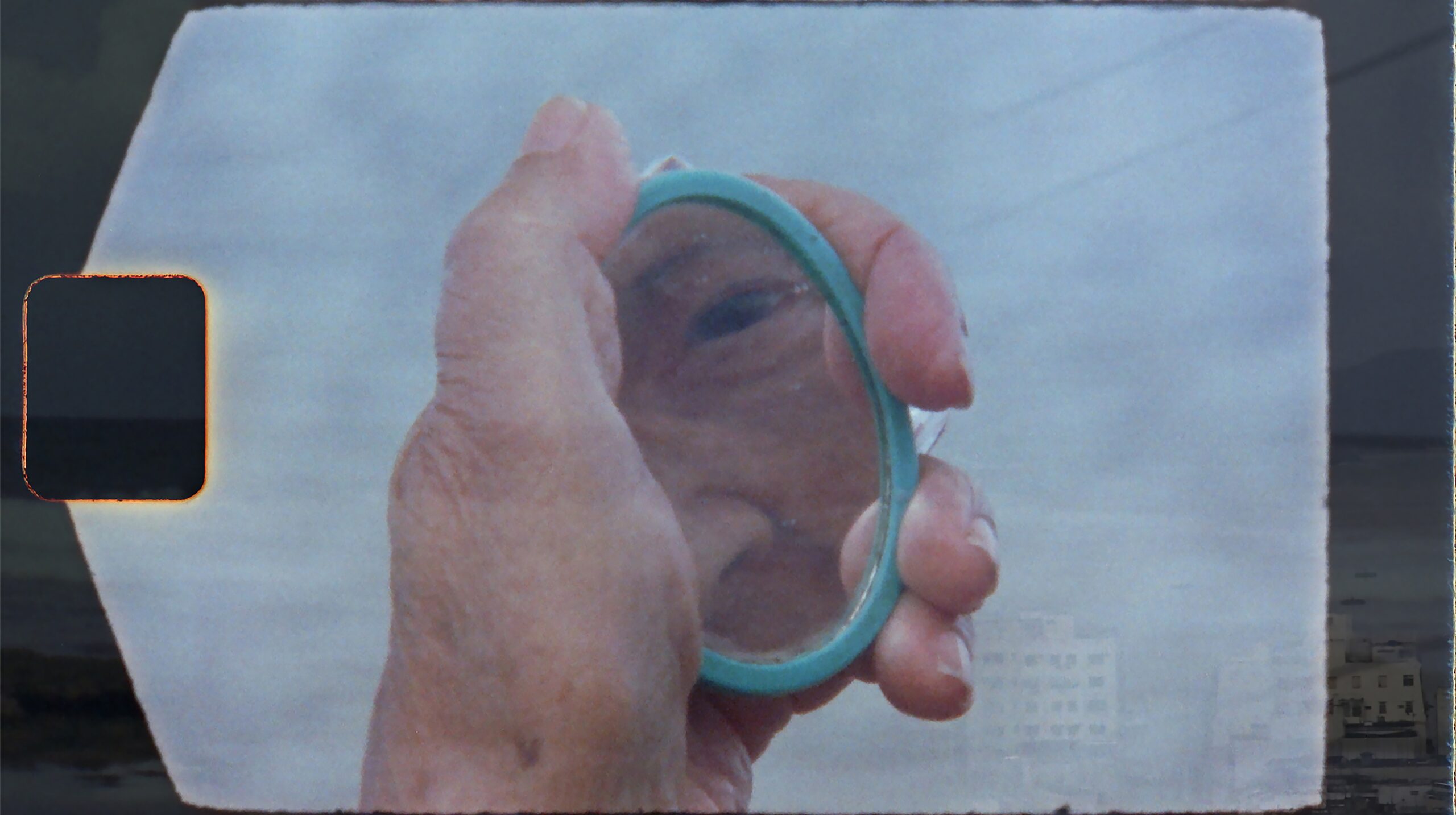
Aparição – Camila Freitas
Recorrendo à observação participante, próxima da metodologia da antropologia, a cineasta mostra de uma forma sensível e respeitosa o ritual das velas que a avó pratica em casa para conseguir proteção e bem-estar. A avó relata o seu primeiro encontro com a aparição do caboclo Indaia e partilha outras visões espirituais, antes da artista revelar as suas próprias visões na presença da filha, ainda criança. A cosmologia afro-brasileira (umbanda) mistura elementos indígenas, africanos e católicos. Estas crenças permitem aos praticantes conectarem-se com os mortos, ou com entidades espirituais protetoras e de cura. O filme sublinha tanto a transmissão de práticas espirituais e a matriz das narrativas de visões de uma geração para outra, como a sua importância coletiva na vida diária que ultrapassa a realidade visível. A obra foi concebida como uma instalação de vídeo de dois canais para exposições e mergulha o público em narrativas paralelas.
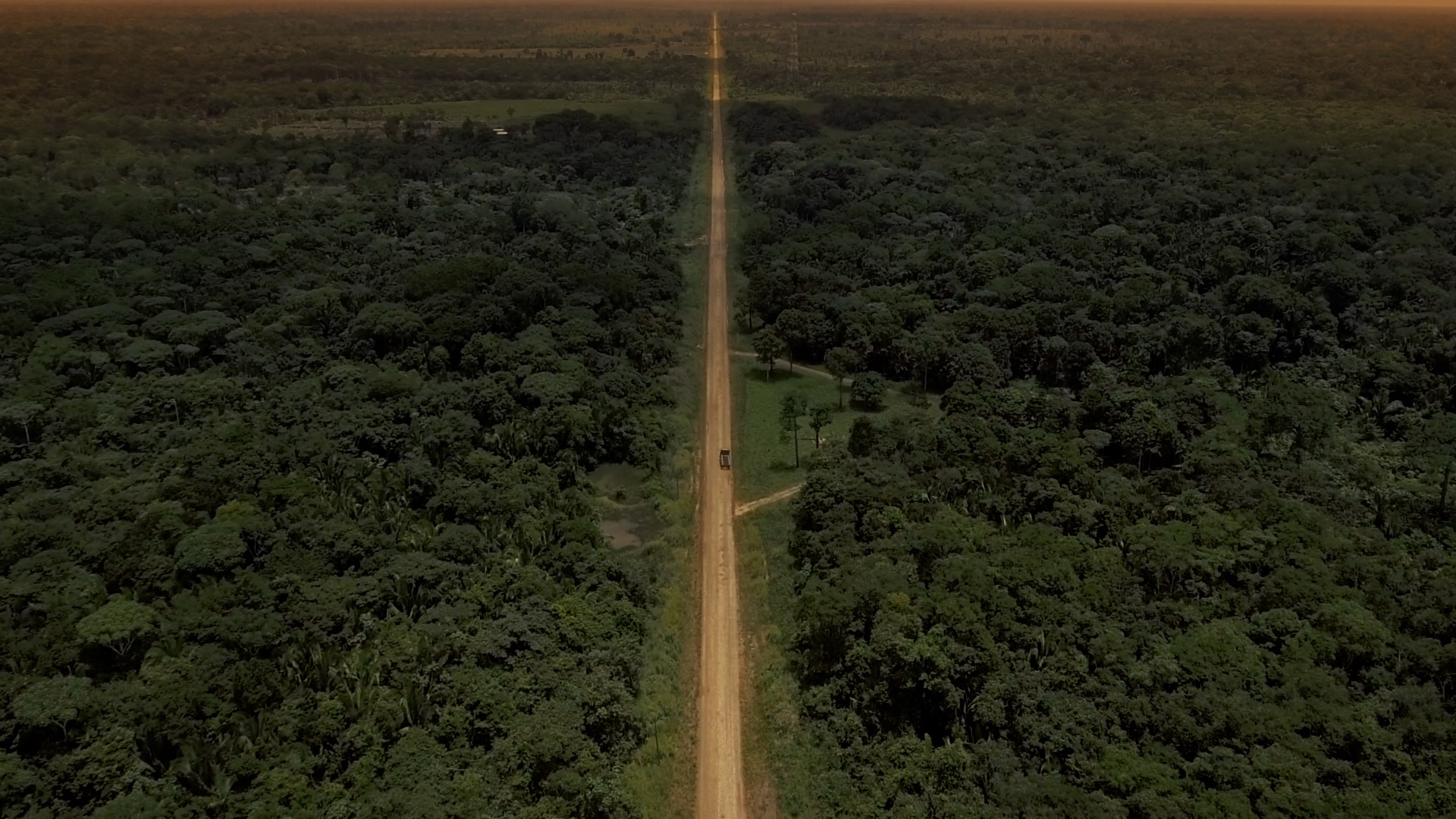
Curupira e a máquina do destino – Janaina Wagner
Curupira é a primeira parte da trilogia transamazónica de Janaina Wagner, que inclui Quebrante (2024) e Quando o segundo sol chegar/um cometa nos teus olhos (2025). Seguimos a protagonista no coração da Amazónia, onde a estrada Transamaznica BR-230 se cruza com a igualmente lendária Estrada Fantasma BR-319. O filme, uma docuficção semelhante a um road movie, faz referência a Iracema – Uma Transa Amazônica (1974), um filme de Jorge Bodansky e Orlando Senna e um clássico do Cinema Novo. Na obra de Janaina Wagner, a protagonista aparece como o fantasma da personagem principal com o mesmo nome, que incorpora uma prostituta de 14 anos, indígena, que viaja com o condutor de um camião. O filme termina com o encontro imaginário e significativo entre o fantasma de Iracema e Curupira, uma figura mitológica bem conhecida no Brasil pelas comunidades indígenas, considerada um protetor poderoso das florestas e temido como vingador. O filme torna-se uma declaração artística contra as exigências neocoloniais das potências externas na região amazónica, incluindo o Estado, simbolizado pela Transamazónica, que foi inaugurada em 1972 durante a ditadura militar (1964–1985).
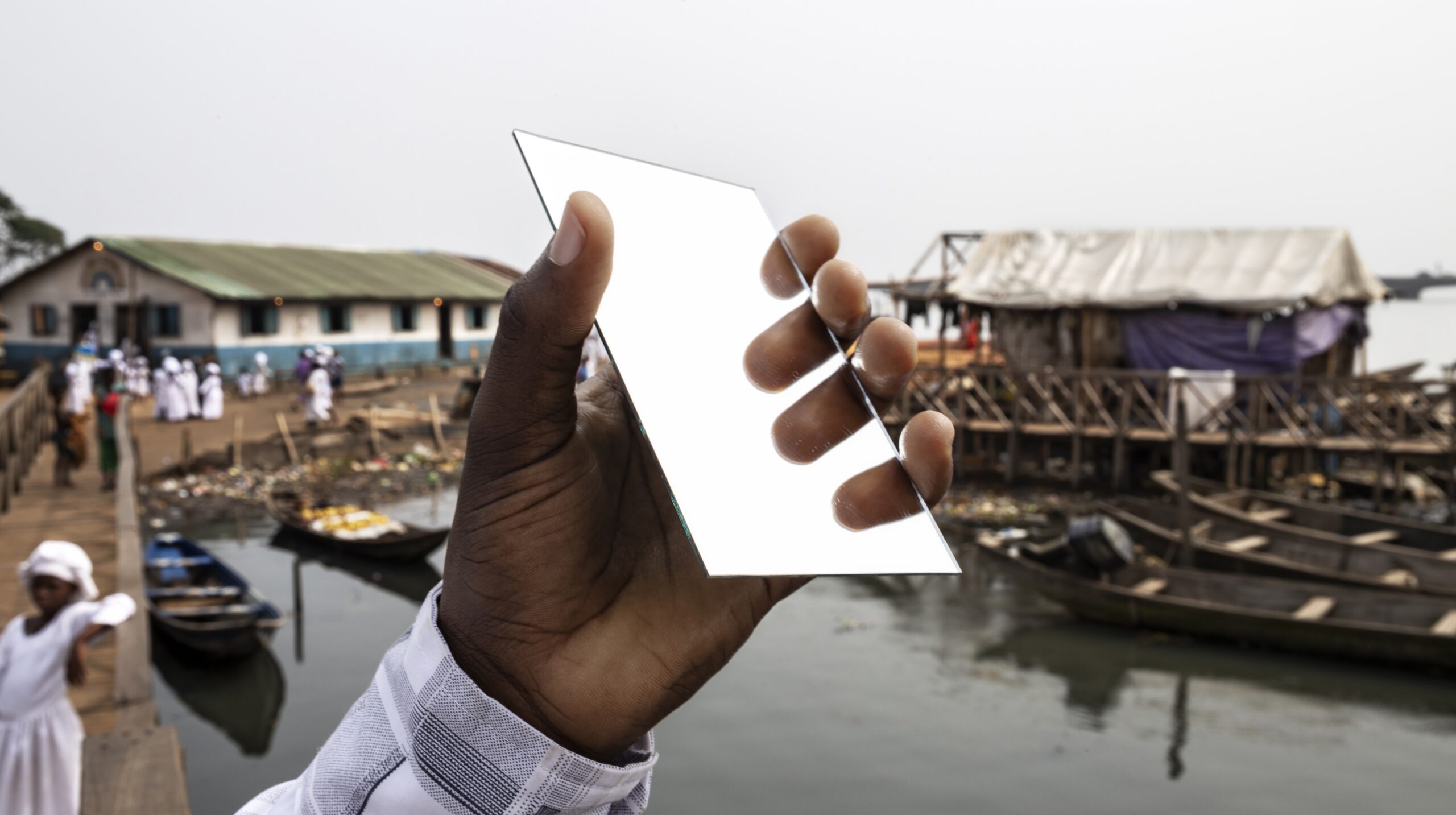
(Outros) Fundamentos – Aline Motta
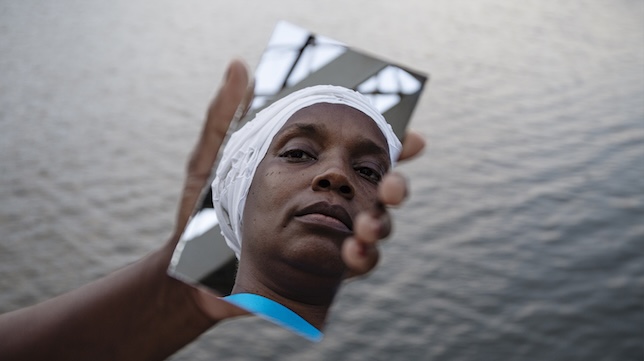
No seguimento de Pontes sobre abismos (2017) e de Se o mar tivesse varandas (2017), (Outros) Fundamentos fecha a trilogia de filmes de Aline Motta. A última parte lida com as consequências da viagem até Lagos, na Nigéria, que a artista realizou em busca das suas raízes, e questiona o que significa pertencer a um lugar que pode não reconhecer o seu parentesco, aparentemente evidente. Aproximando Lagos, Cachoeira (Bahia) e o Rio de Janeiro, cidades cujos nomes, dados por colonizadores portugueses e importantes para o Atlântico negro, evocam massas de água. O filme relaciona estes territórios através de baías, rios e pontes, mapeando as correntes de uma história ancestral partilhada. A narração de Motta sobre as suas observações, combinada com uma montagem sonora e rítmica das imagens filmadas nos locais, acompanha o filme. Imagina uma forma de comunicação através de espelhos que de alguma forma refletiriam a mesma luz em ambos os lados do Atlântico.
FUSO 2026 – August 25th to 29th
August 26th, 10pm
Lisbon Puppet Museum
Destiny Brazil – Between Reality and the Imaginary. Reflections on Power, Identity & Spiritualism
Bruno Z’Graggen
After FUSO 2024, the video art platform VIDEO WINDOW presents another programme dedicated to Brazilian video art, ambiguously entitled Destiny Brazil, with one film each by Aline Motta, Camila Freitas and Janaina Wagner. The programme provides through the three works a fragmentary insight into life realities in Brazil, from Rio de Janeiro deep into the Amazon. At the same time, it offers a comparison of different positions of mid-career female artists, distinguished by their unique voices and recognised both nationally and internationally.
Despite their education, longer stays or residencies abroad, the artists maintain in their works a profound connection to Brazil. The three essay-like videos delve into social, cultural and political realities, including religious and mythological worlds mainly rooted in the country’s colonial past, such as the history of slavery (the Black Atlantic), the syncretic Afro-Brazilian cosmology (Umbanda), with indigenous, African and Christian elements, and the conflict-ridden claim to natural resources in the Amazon region. The works invite the audience to reflect on questions of power, collective memory, cultural identity and beliefs of people who resist power structures.
In (Other) Foundations (2019) by Aline Motta, the artist embarks on a journey to Lagos in Nigeria. It initiates a self-reflection about her roots and belonging, which oscillates between Africa and Brazil.
Camila Freitas’ work Apparition (2024) offers an intimate insight into the spiritual practices of Umbanda experienced by her grandmother.
Curupira and the Machine of Destiny (2021) by Janaina Wagner takes the viewers to the middle of the Amazon on the legendary Trans-Amazonian Highway and leads them on the road to an imaginary encounter with Curupira, a mythological figure who protects the forest against external power.
(Bruno Z’Graggen, curator VIDEO WINDOW, Zurich)
Apparition – Camila Freitas
Employing participatory observation close to anthropological methods, the filmmaker sensitively and respectfully shows her grandmother’s candle ritual at home to ask for protection and well-being. The grandmother recounts her first encounter with the apparition of caboclo Indaia and shares other spiritual visions, before the artist reveals her own visions in the presence of her toddler. The Afro-Brazilian cosmology (Umbanda) blends indigenous, African, and Catholic elements. These beliefs empower practitioners to connect with the deceased or with protective and healing spiritual entities. The film highlights both the passing down of spiritual practices and the matrix of vision narratives from one generation to another, as well as its collective importance in daily life beyond visible reality. The work is conceived as a two-channel video installation for exhibitions and immerses audiences in parallel narratives.
Curupira and the Machine of Destiny – Janaina Wagner
Curupira is the first part of the Transamazônica Trilogy by Janaina Wagner, which includes Quebrante (2024) and When the Second Sun Arrives / A Comet in Your Eyes (2025). We follow the protagonist in the heart of Amazonia, where the roads Transamazônica BR-230 intersects with the equally legendary Estrada Fantasma BR-319. The docu-fictional road-movie-like film refers to the Cinema Novo classic Iracema – Uma Transa Amazônica by Jorge Bodansky and Orlando Senna (1974). The protagonist in Janaina Wagner’s work appears as the ghost of the eponymous main character of the film, who embodies a 14-year-old Indigenous prostitute who travels with a truck driver. The film ends with the imaginary and meaningful encounter between Iracema’s ghost and Curupira, a well-known mythological figure in Brazil from Indigenous communities, considered a powerful protector of the forests and feared as an avenger. The film becomes an artistic statement against the neo-colonial claim to the Amazon region by external powers, including the state, symbolised by the Transamazônica, which was opened in 1972 during the military dictatorship (1964–1985).
(Other) Foundations – Aline Motta
Following Bridges over the Abyss (2017) and If the Sea Had Balconies (2017), (Other) Foundations concludes a trilogy of films by Aline Motta. The last part deals with the consequences of the journey to Lagos in Nigeria that the artist undertook in search of her roots and questions what it means to belong to a place that might not acknowledge its seemingly evident kinship. Bringing together Lagos, Cachoeira (Bahia), and Rio de Janeiro, cities whose names, given by Portuguese colonizers and of importance for the Black Atlantic, evoke bodies of water. The film connects these territories through bays, rivers and bridges, tracing the currents of a shared ancestral history. A voice-over accompanying her observations, paired with a sonorous, rhythmic montage of footage shot on location accompanies the film. It imagines a form of communication through mirrors that would somehow reflect the same light on both sides of the Atlantic.



Last Updated on Julho 18, 2026 by duplacena